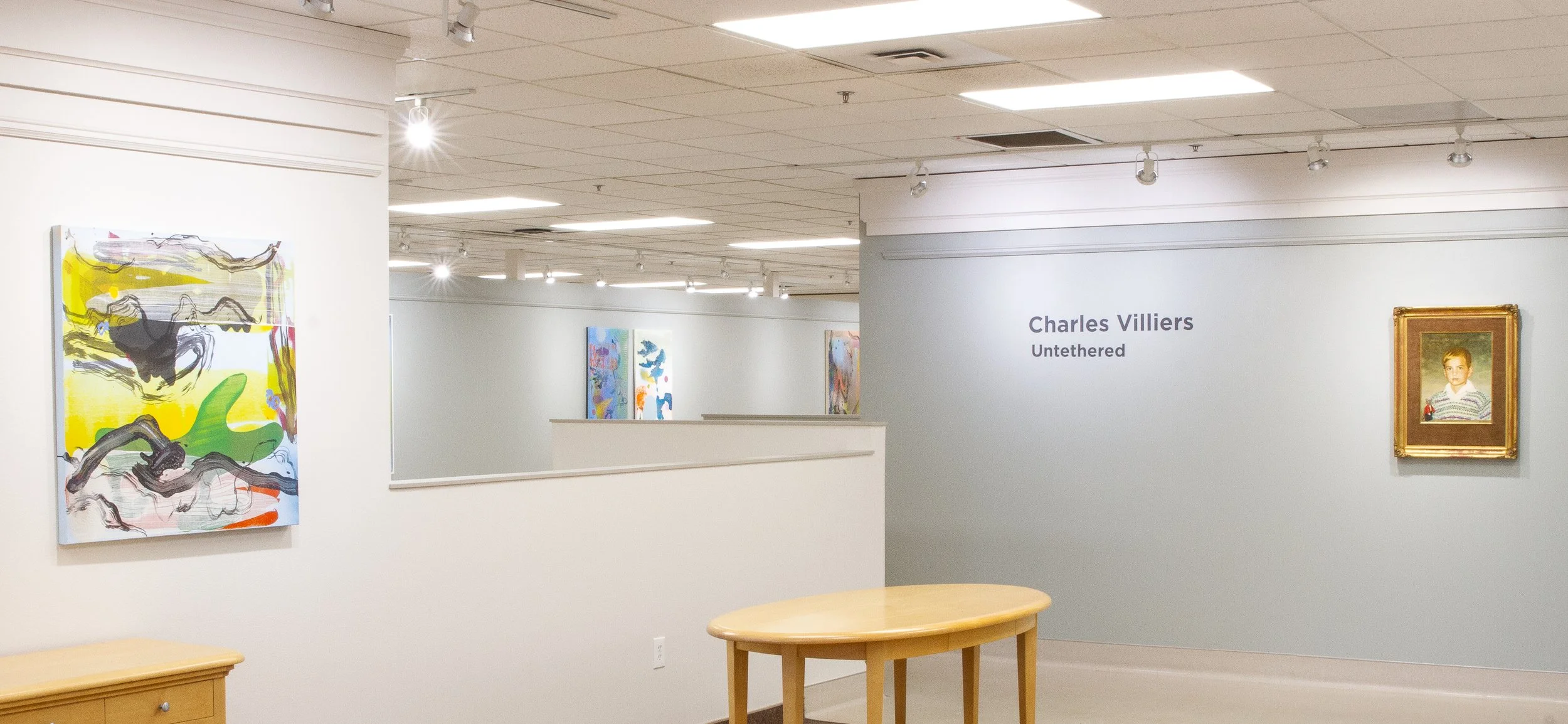
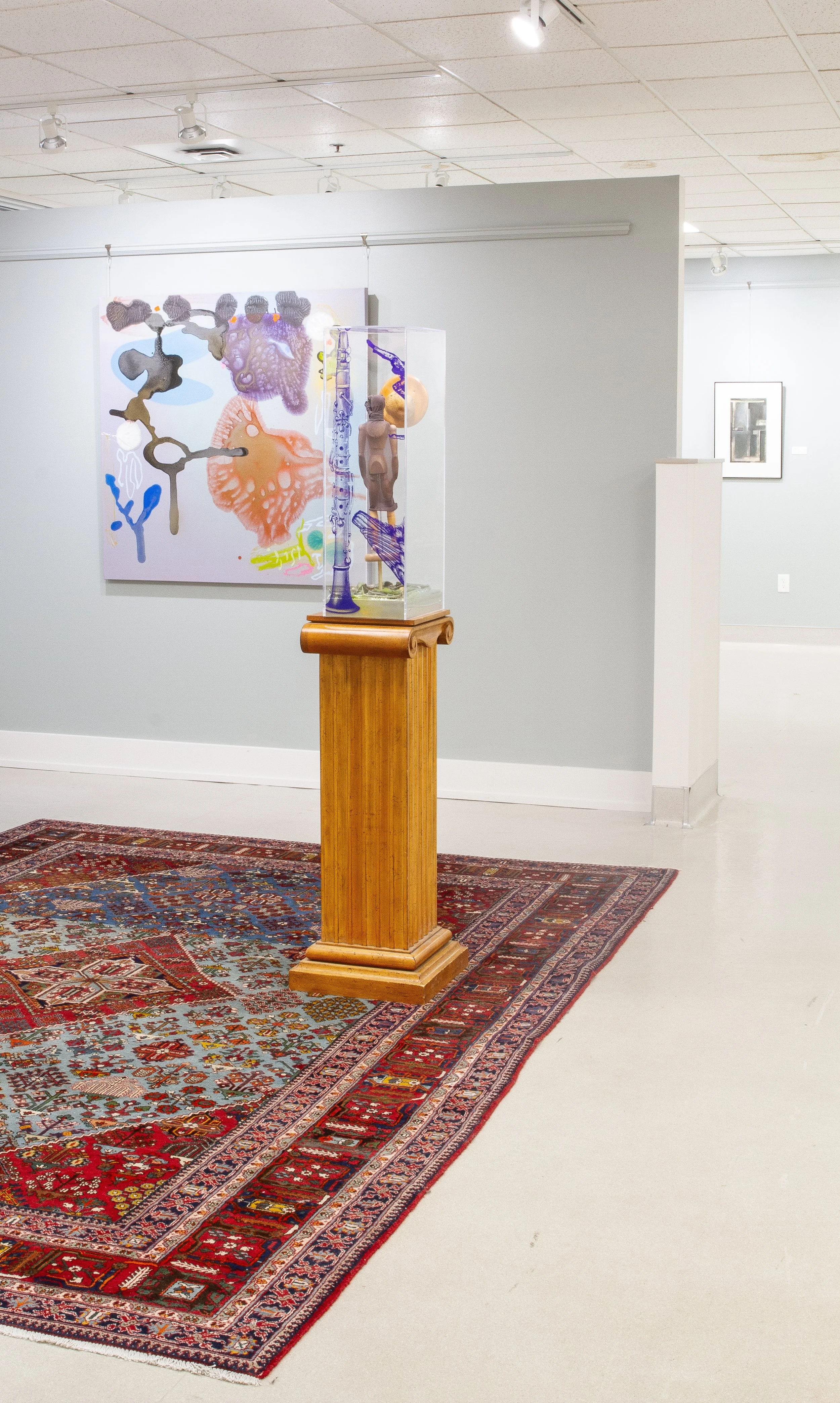
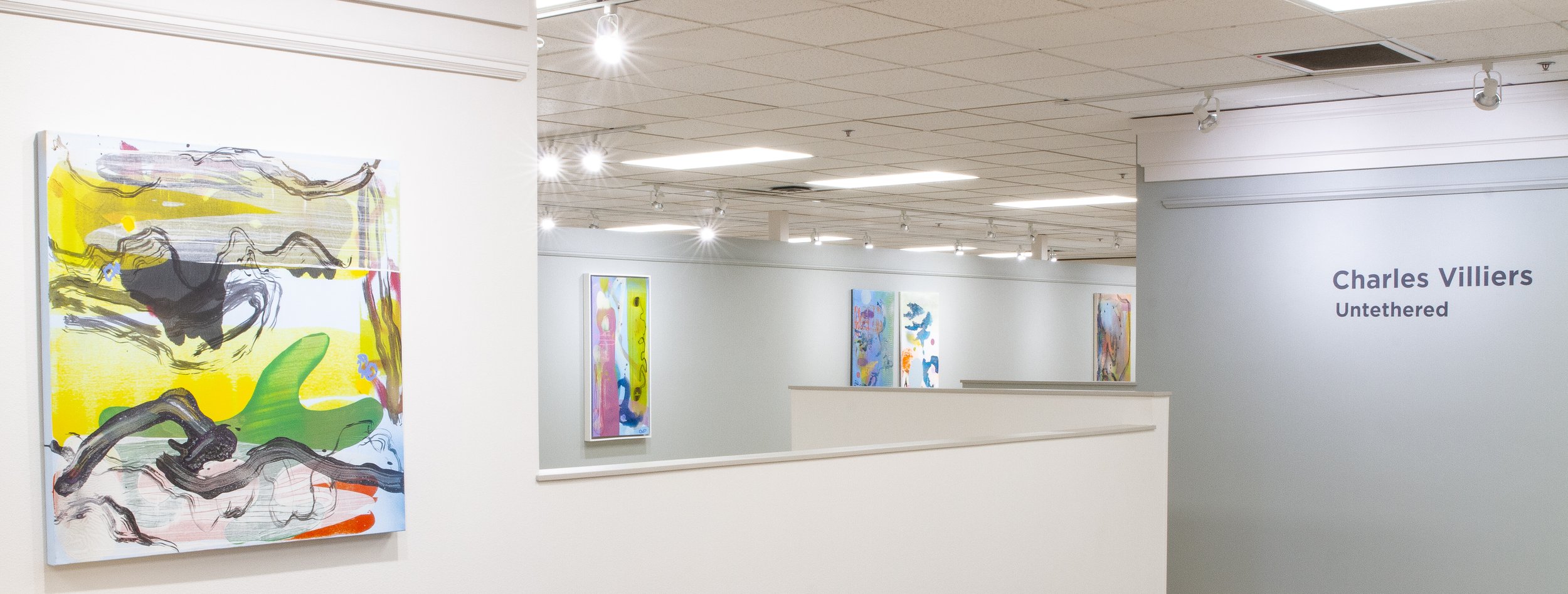
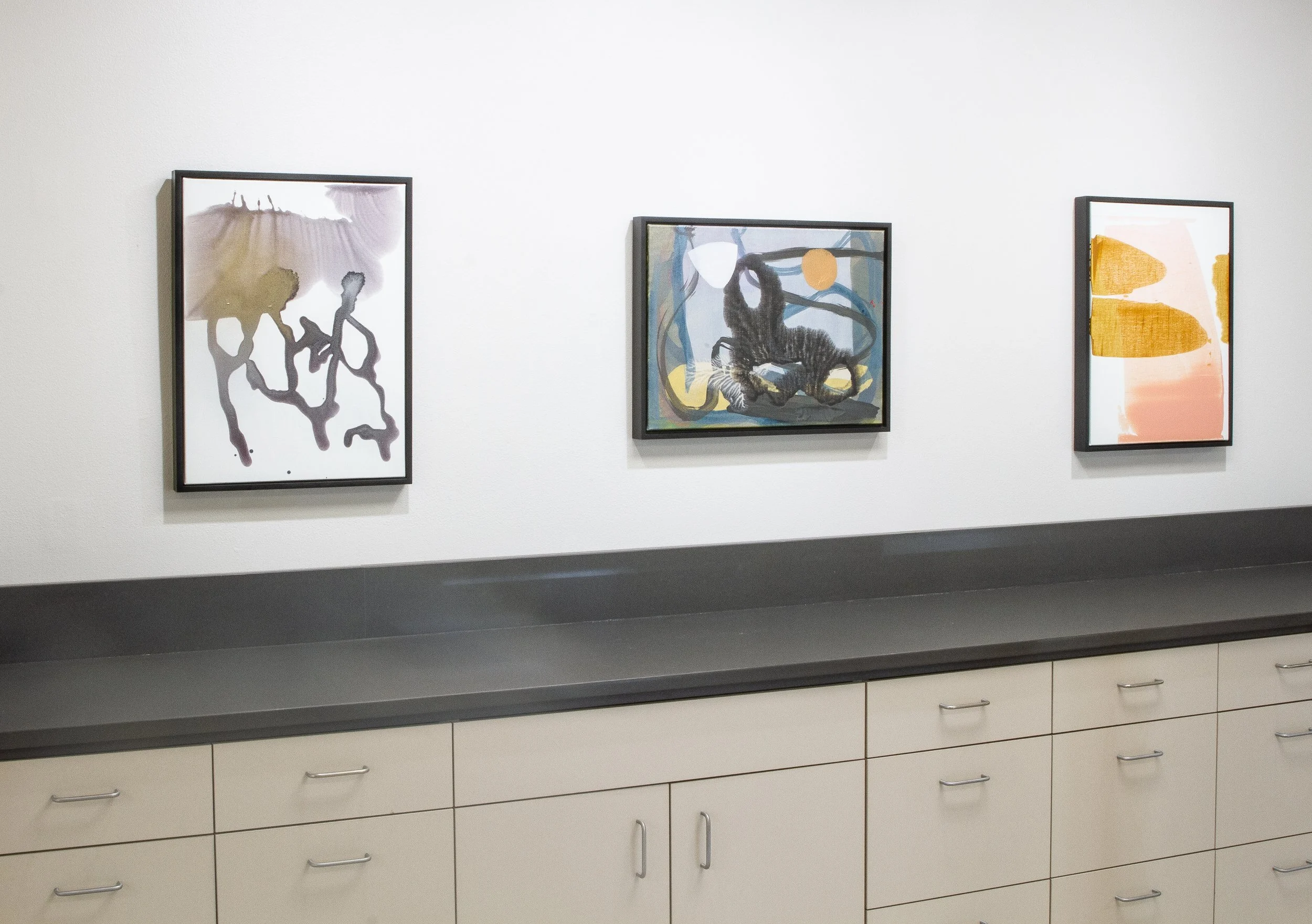
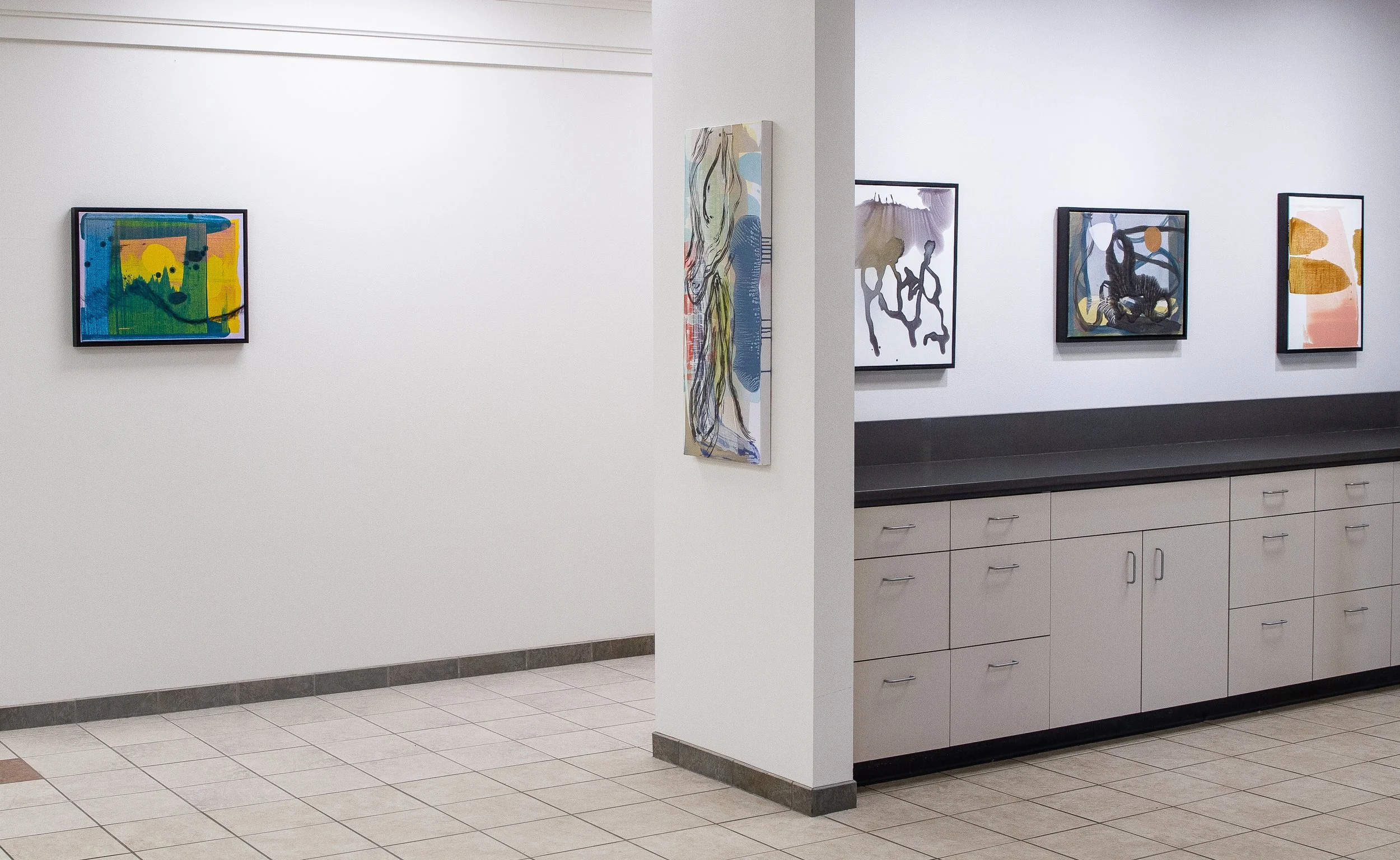
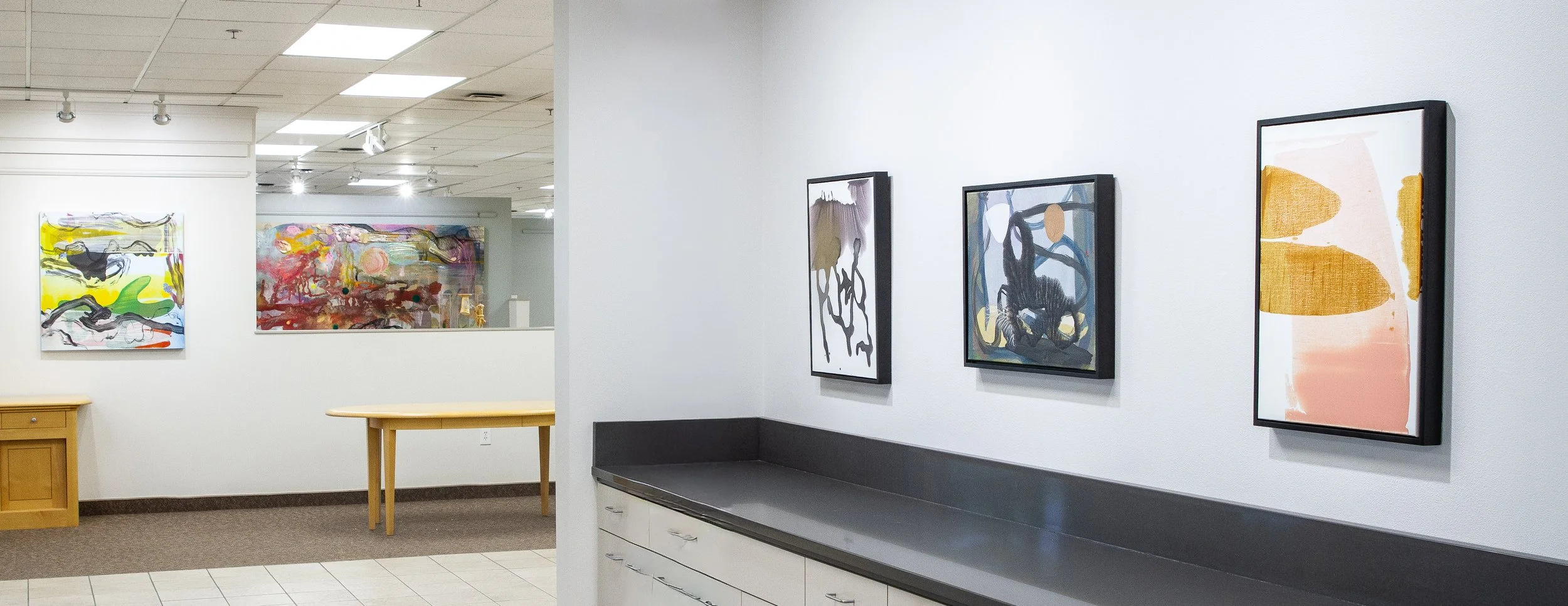
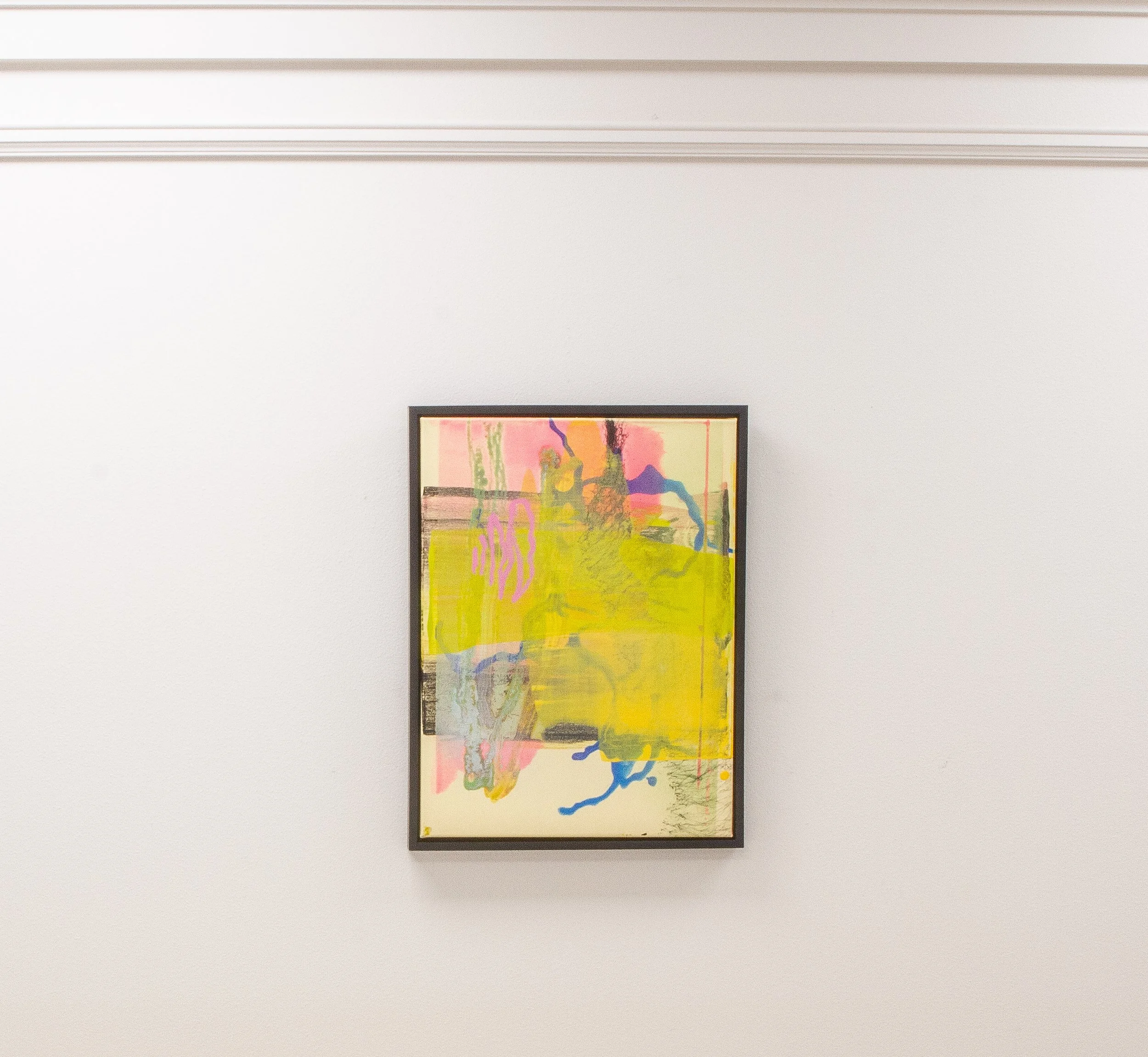
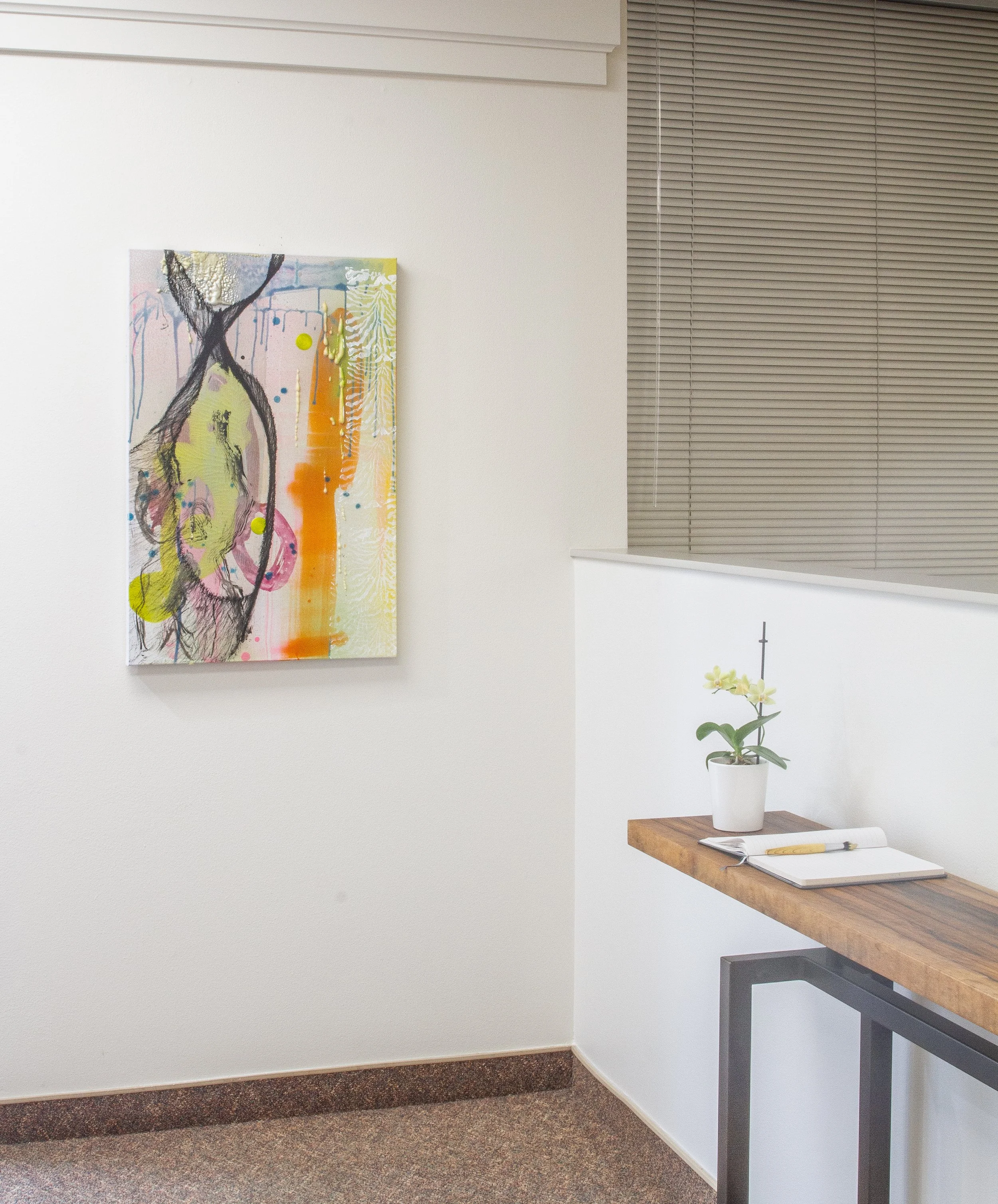
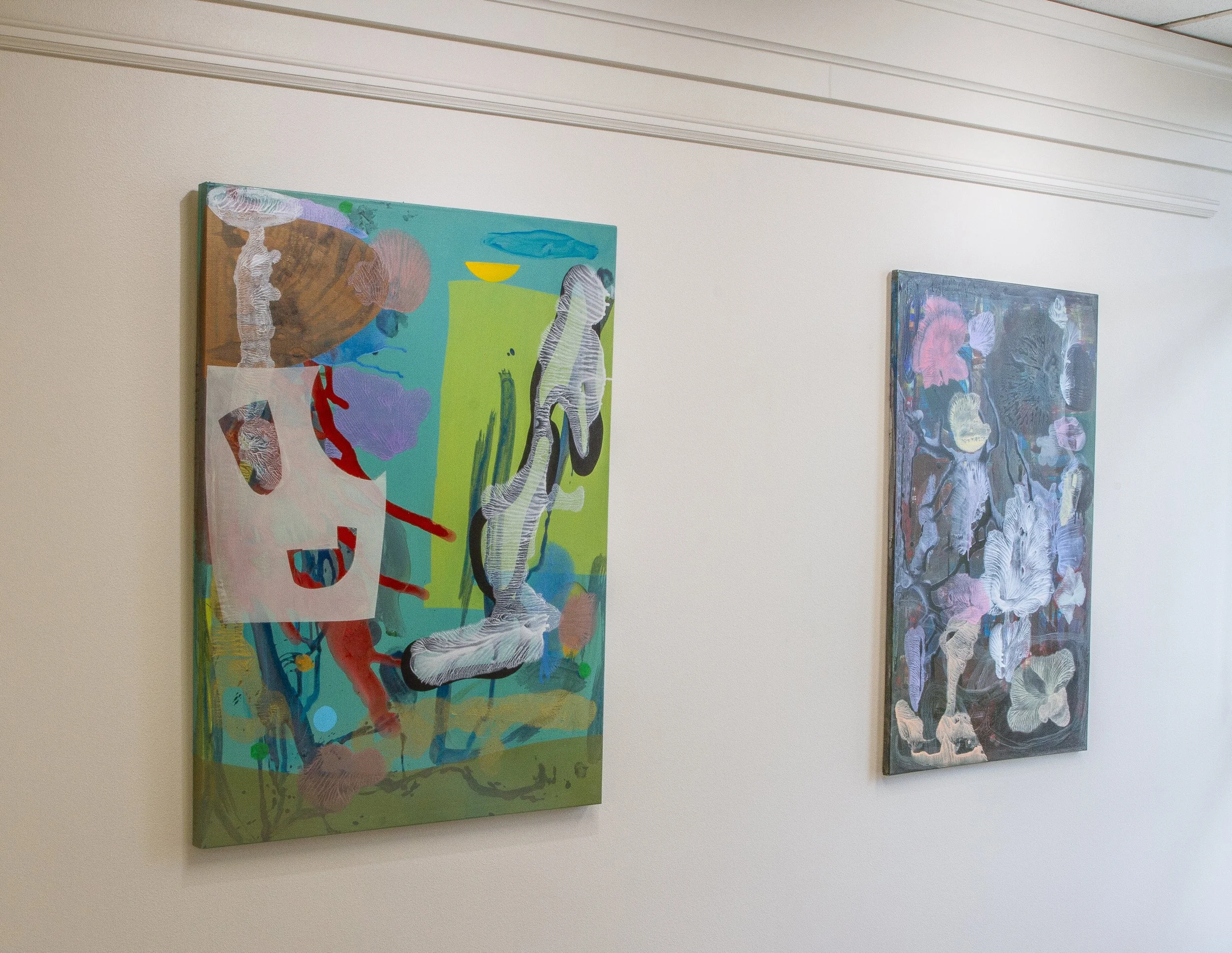
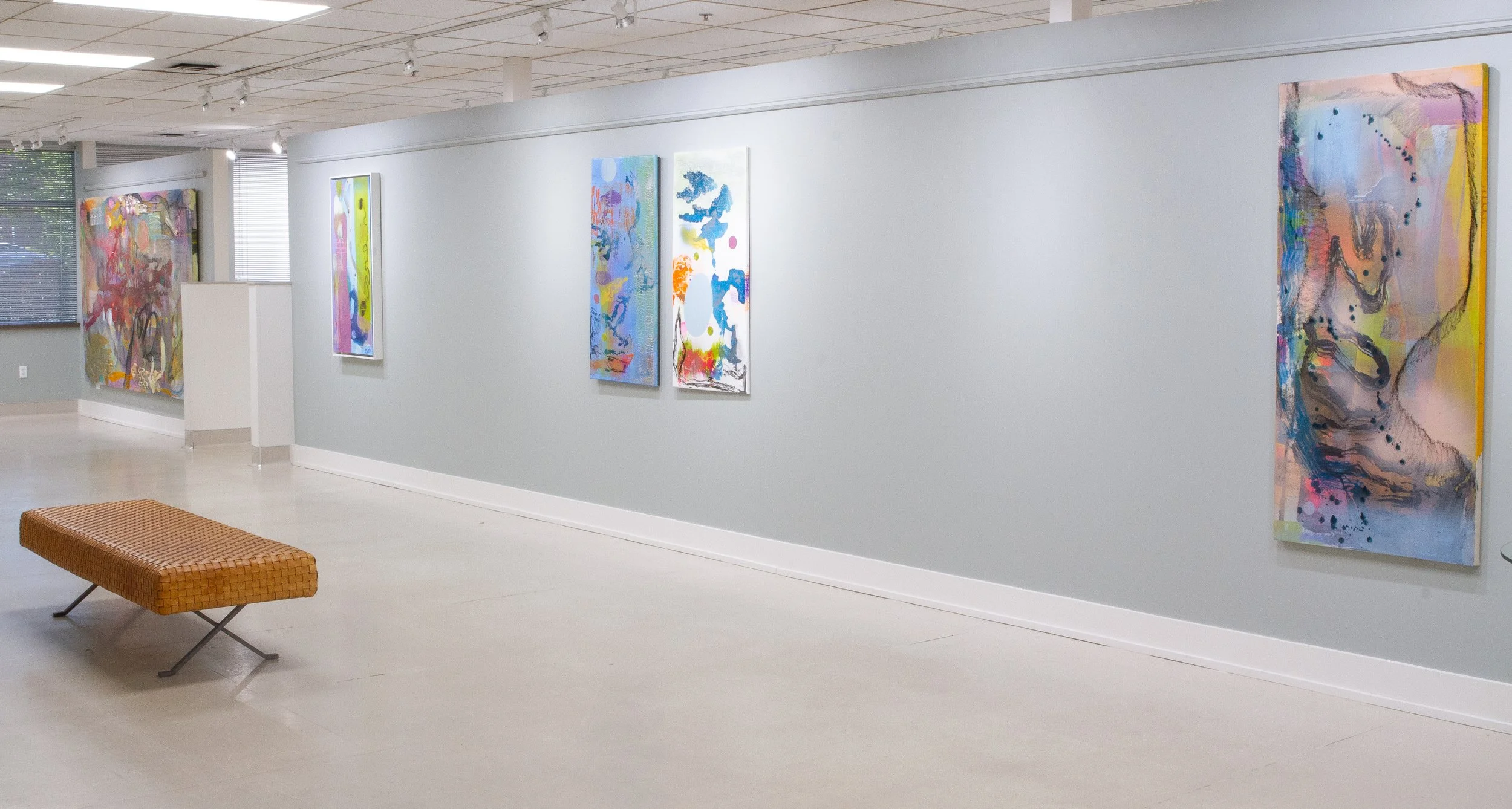
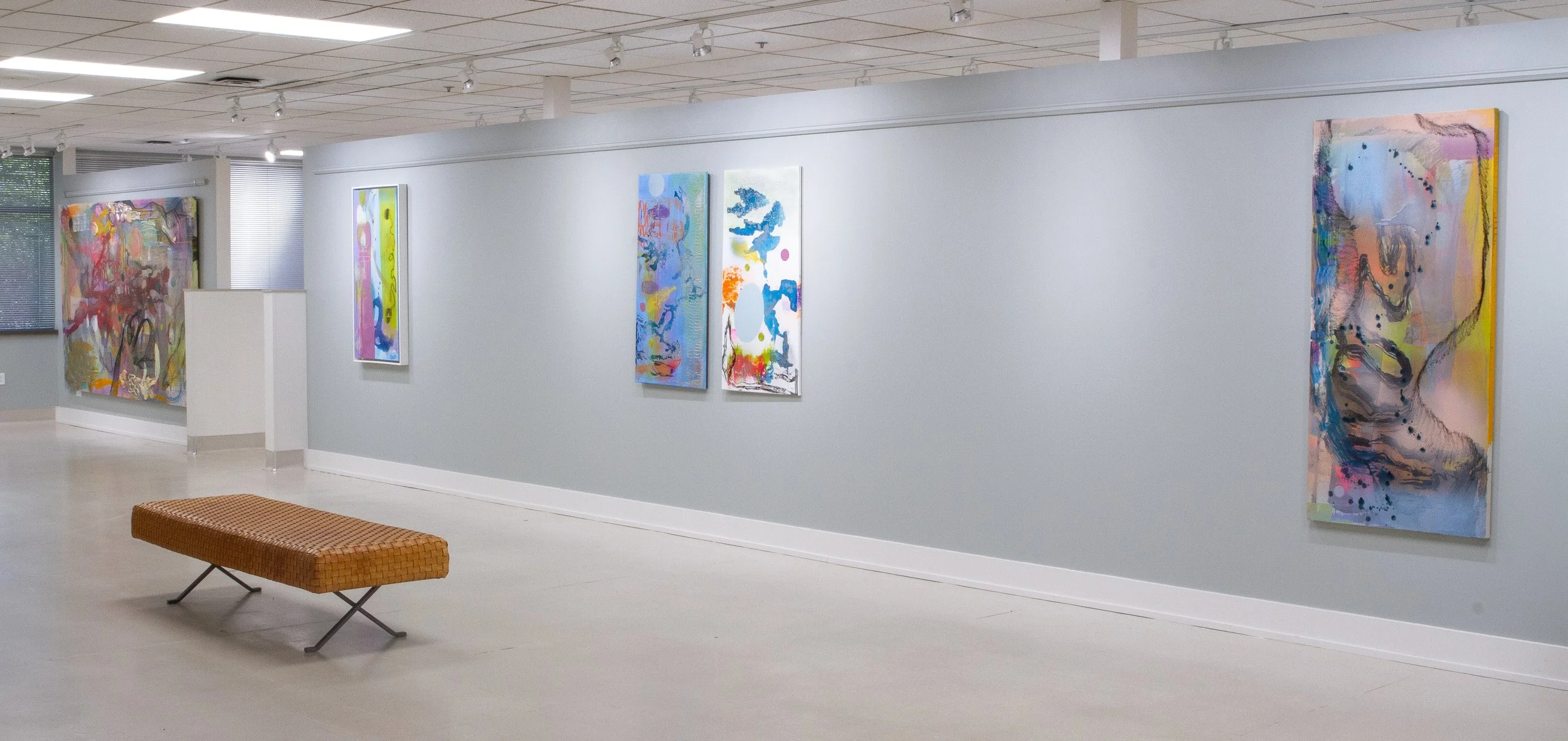
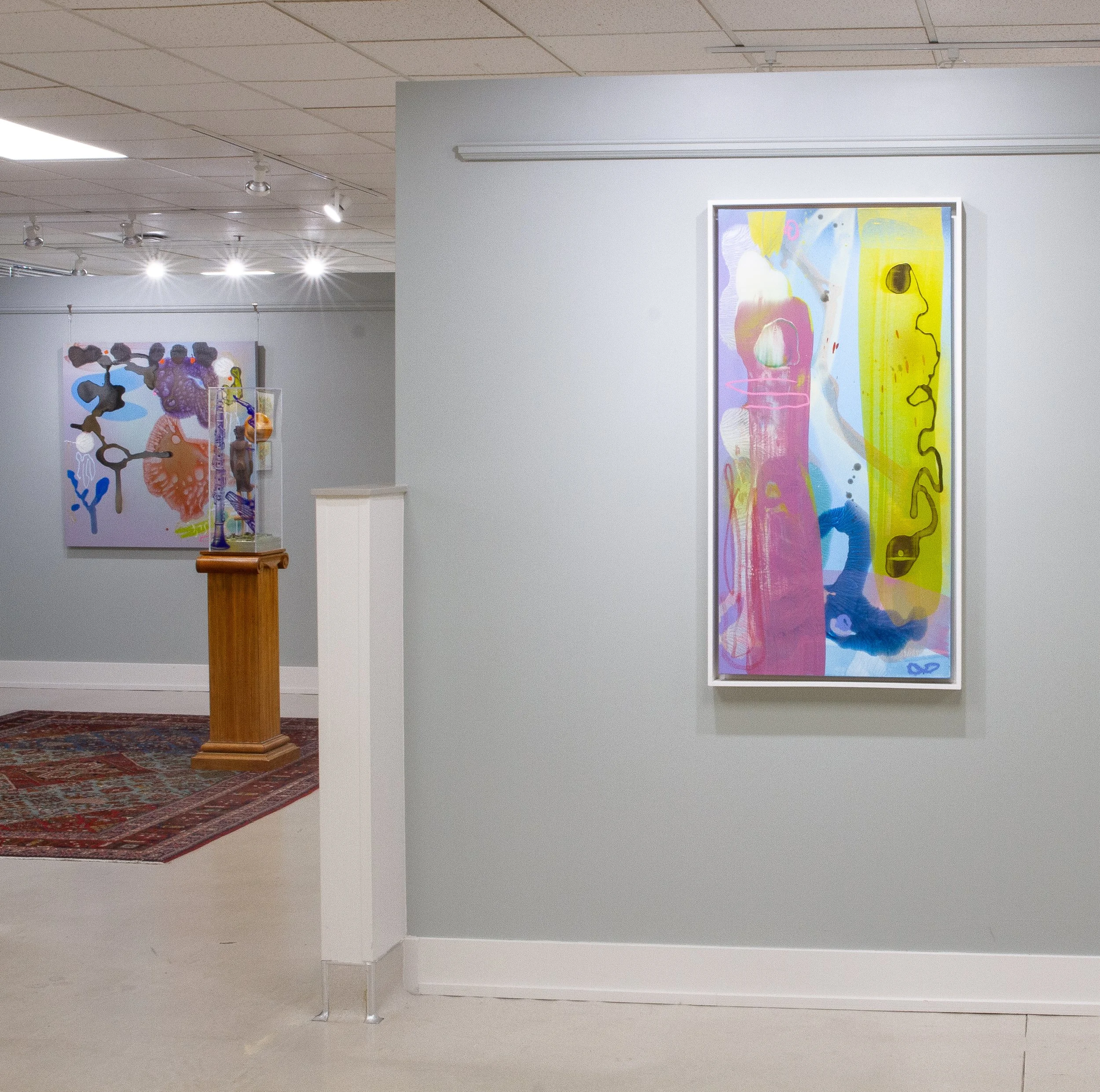
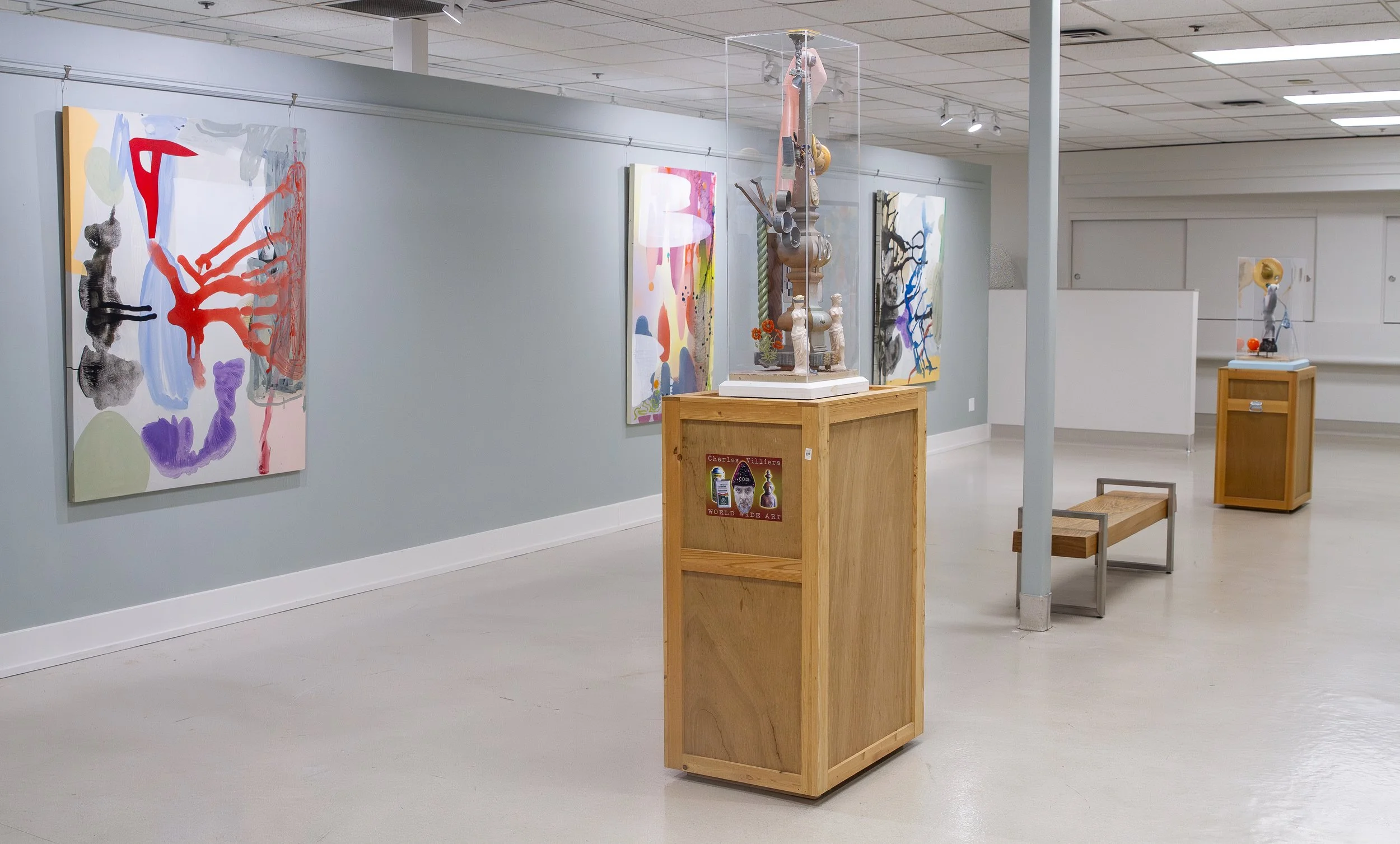
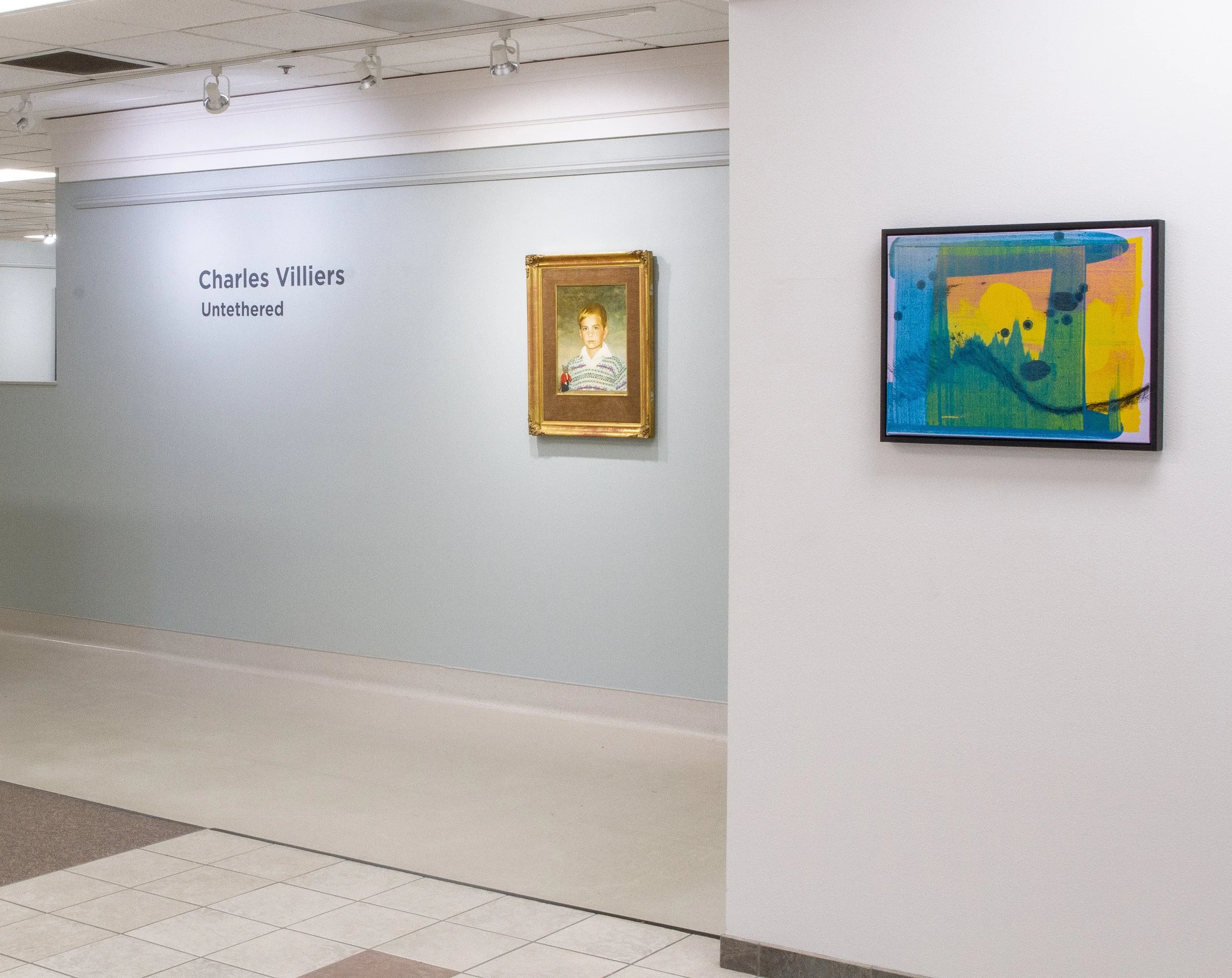
Charles Villiers: Untethered

Opening Reception: May 2, 2-4 PM

Exhibition: May 2 - August 1, 2026

Cordata Gallery is pleased to announce ‘Charles Villiers: Untethered’, the artist’s first solo show with the gallery.

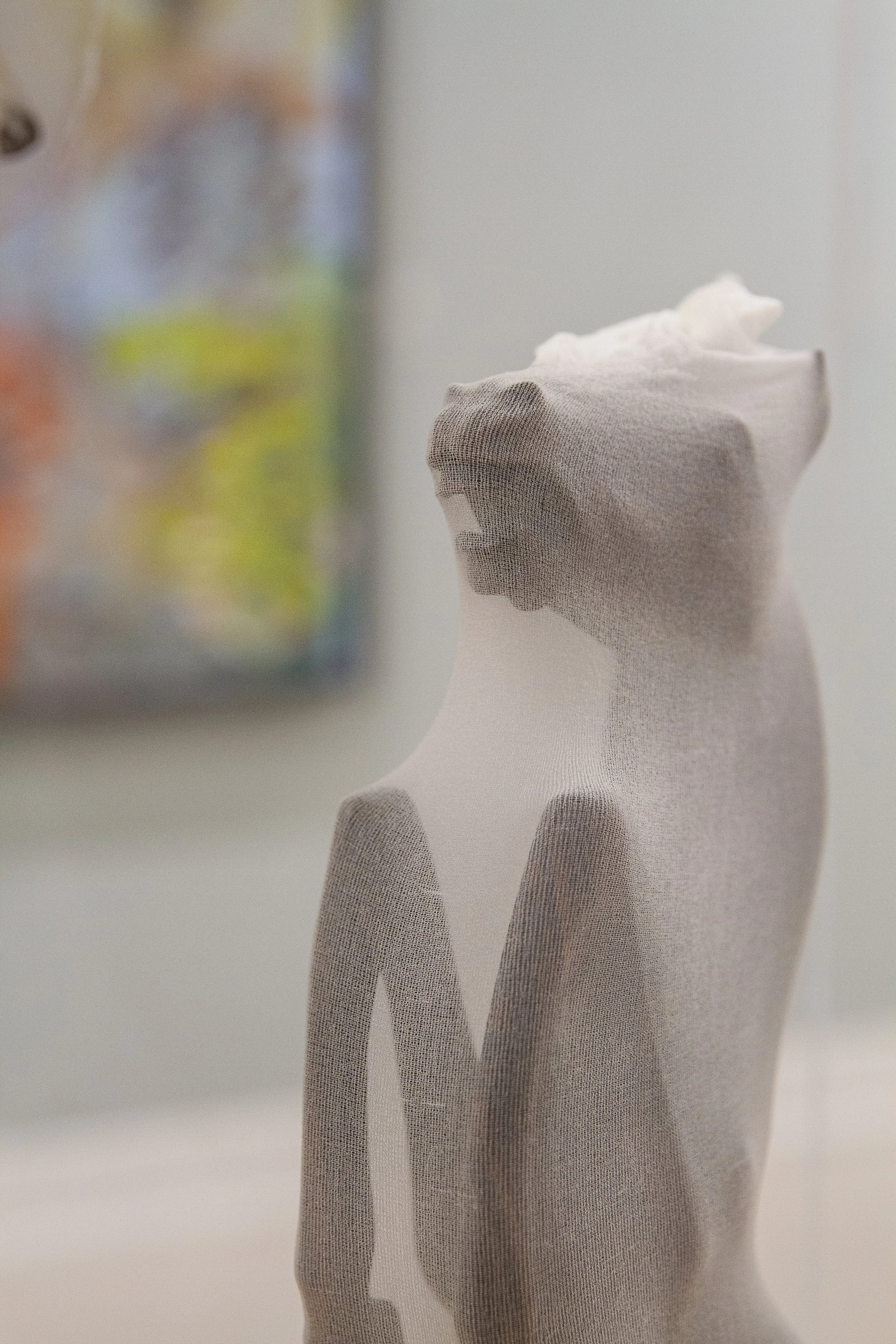
Charles Villiers belongs to a generation of artists whose careers developed outside rigid institutional frameworks, shaped instead by personal exploration, experimentation, and sustained studio practice. Active for several decades, Villiers has produced a body of work that spans painting, sculpture, drawing, mixed media, photography, digital image-based works, and even music, reflecting a lifelong commitment to visual inquiry and creative independence.

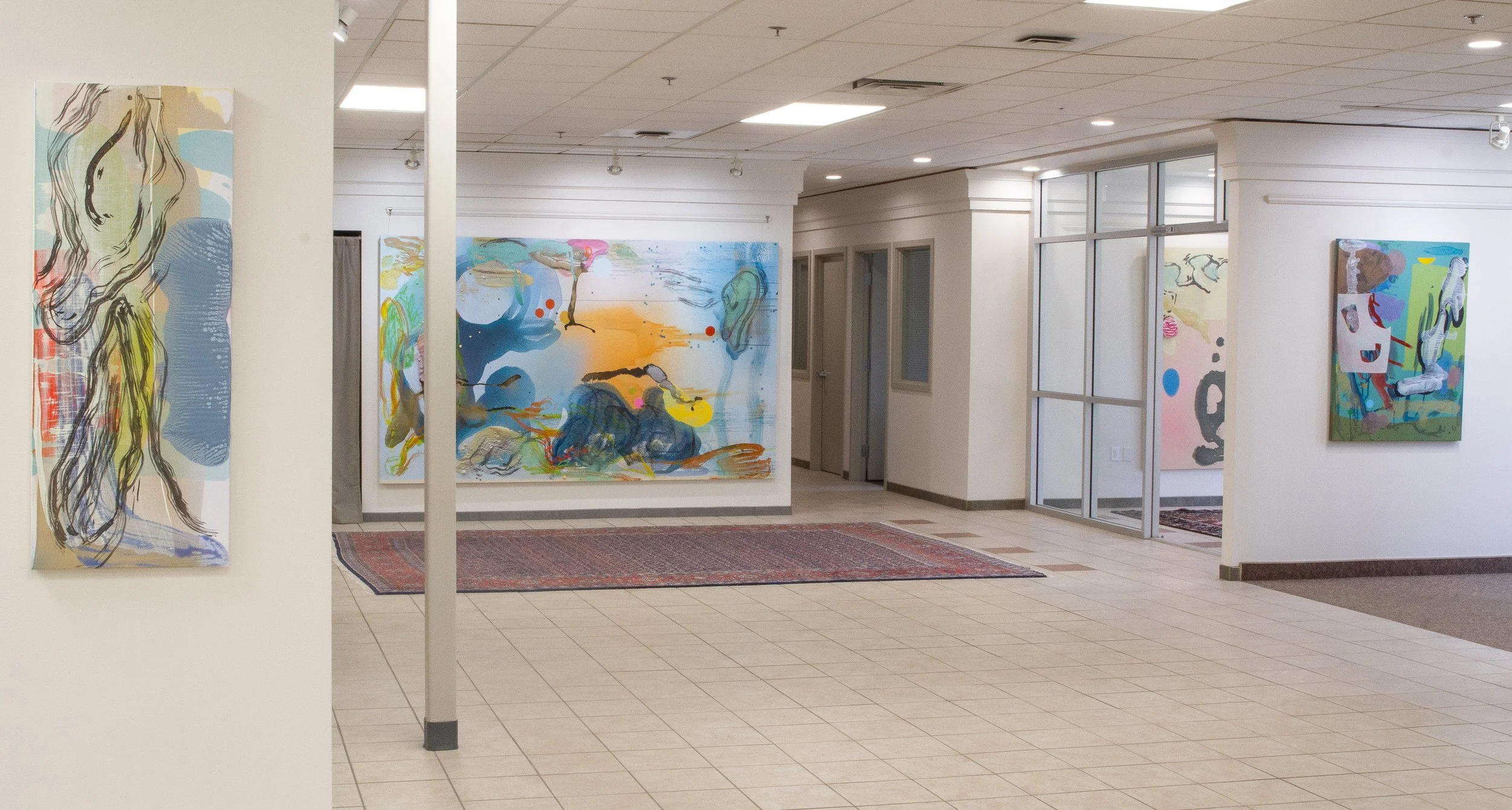
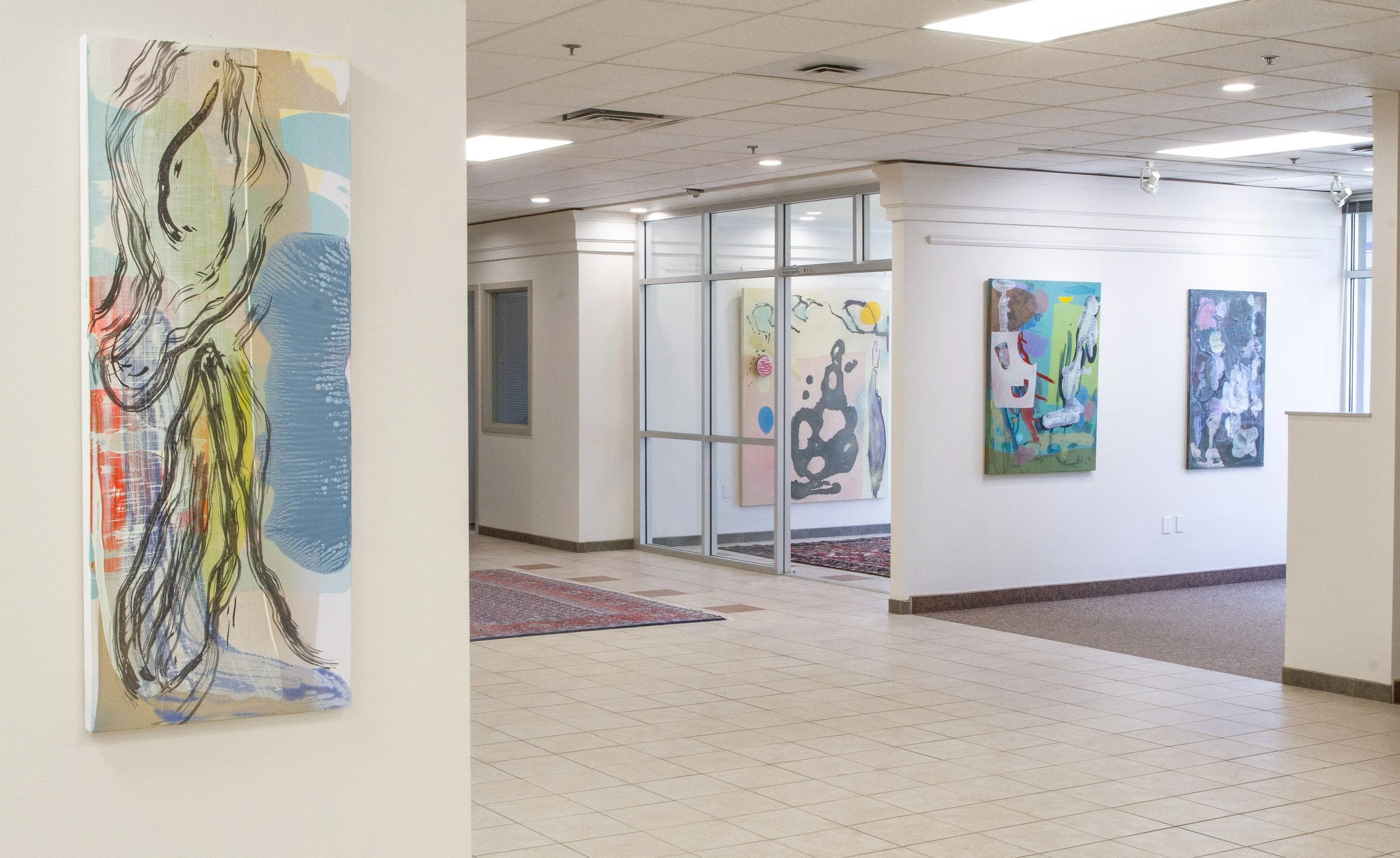
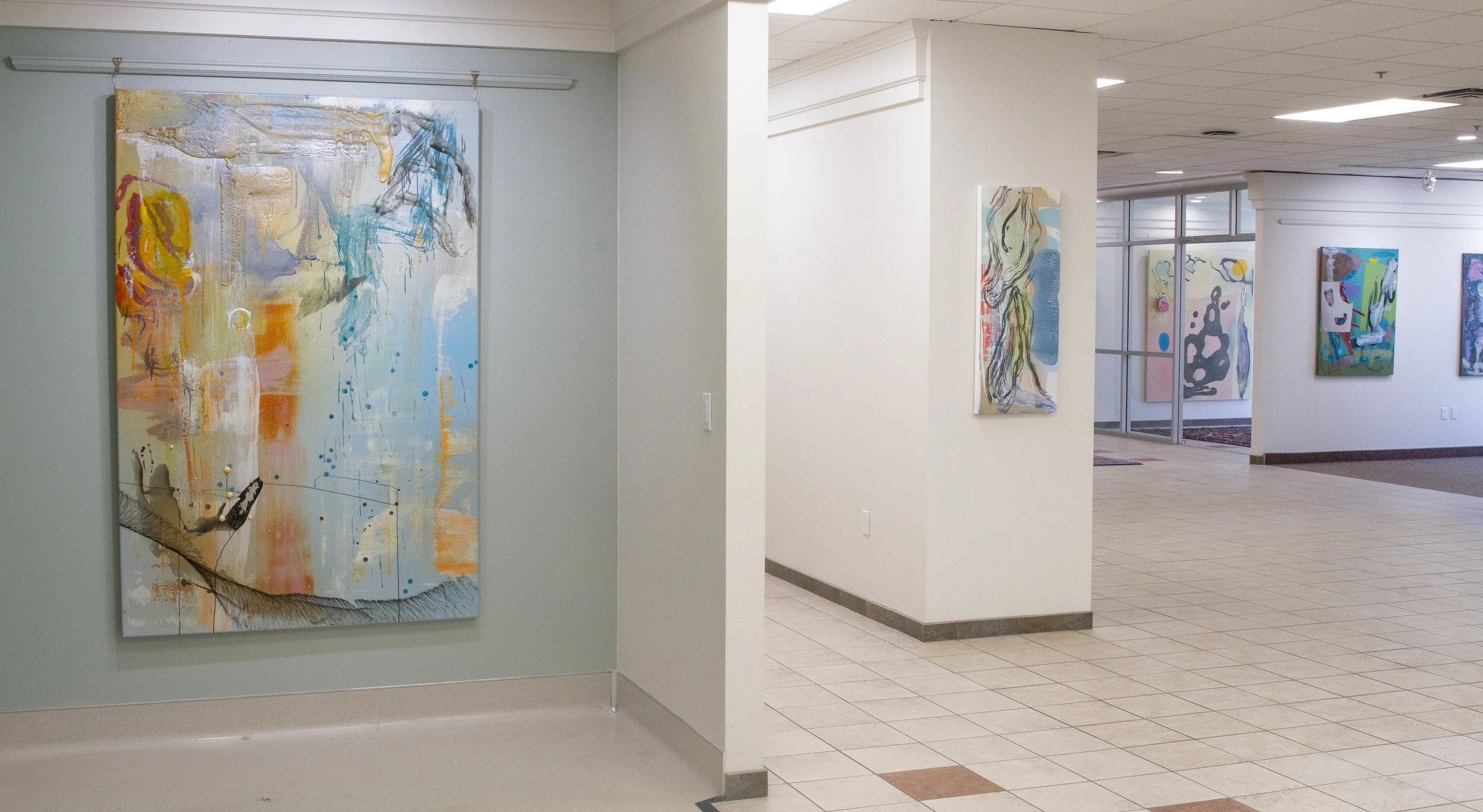
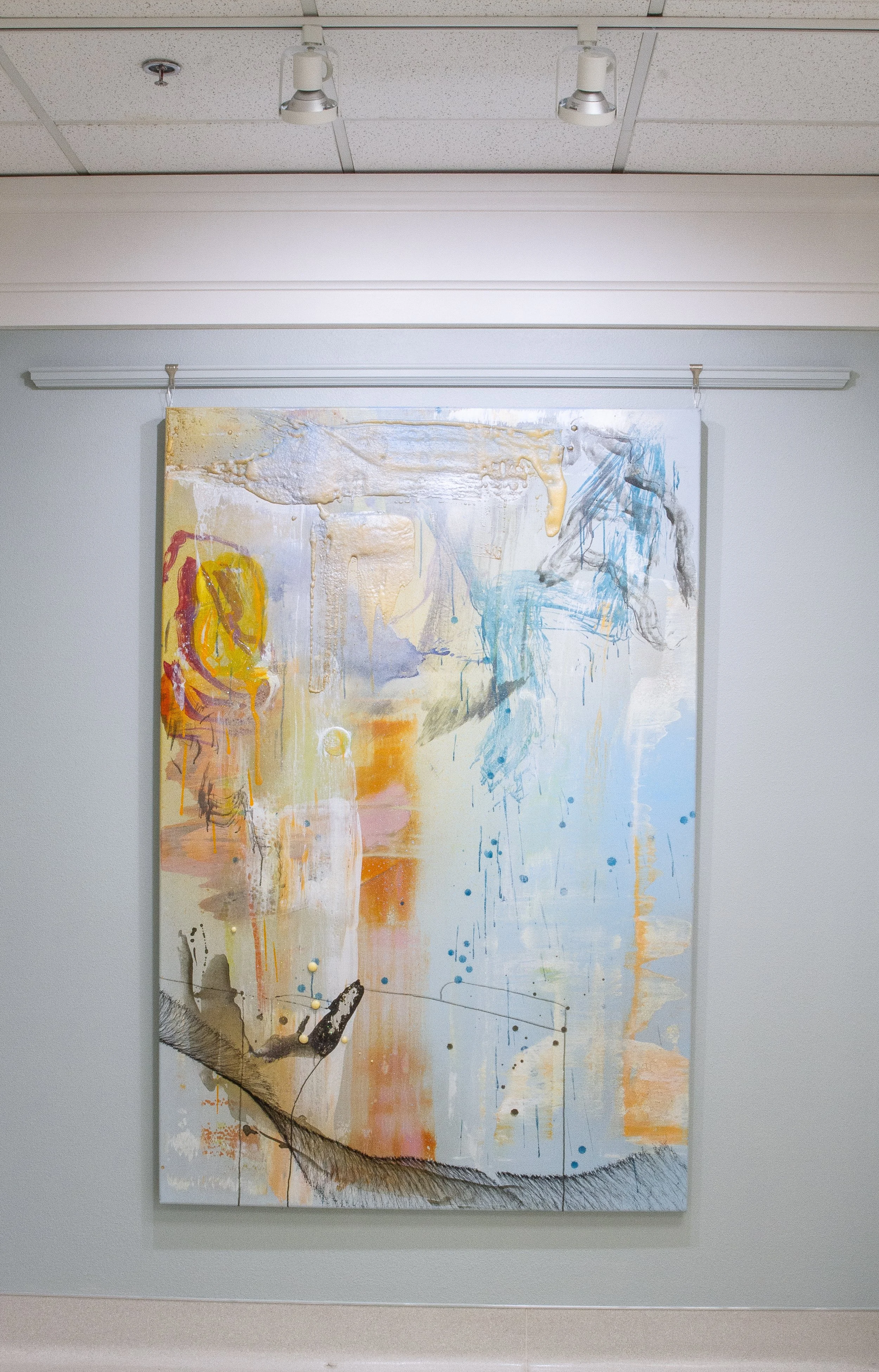
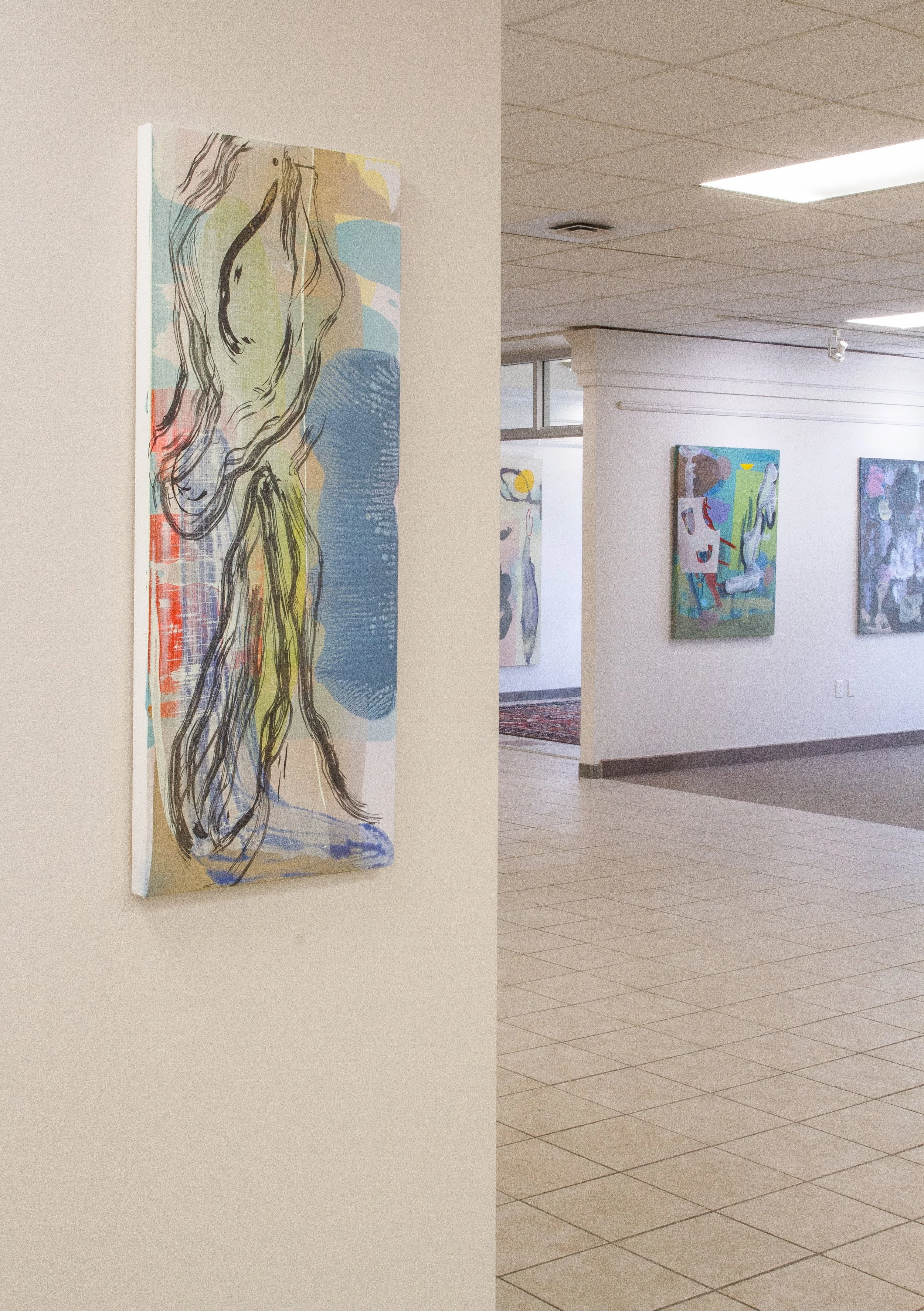
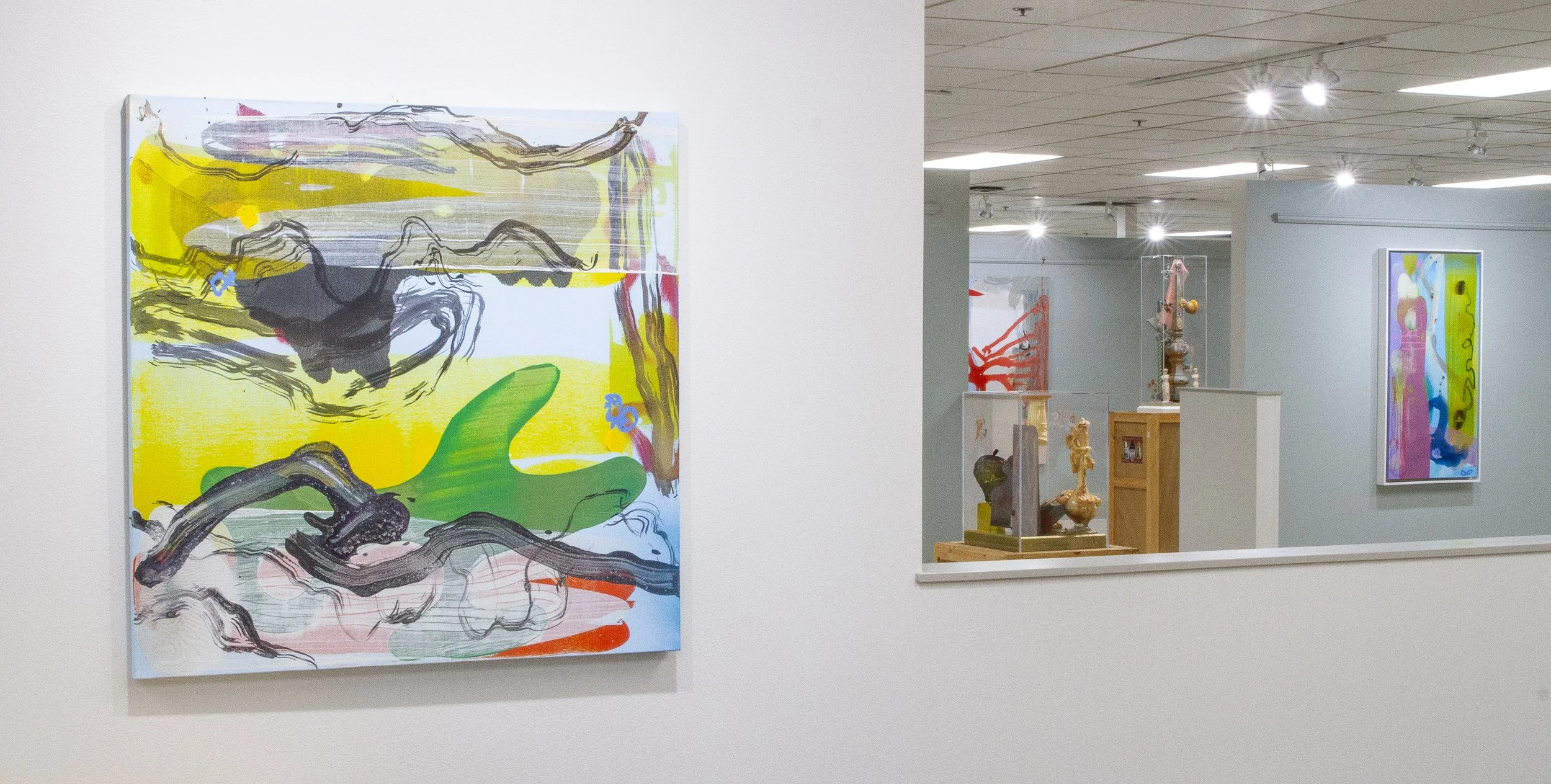
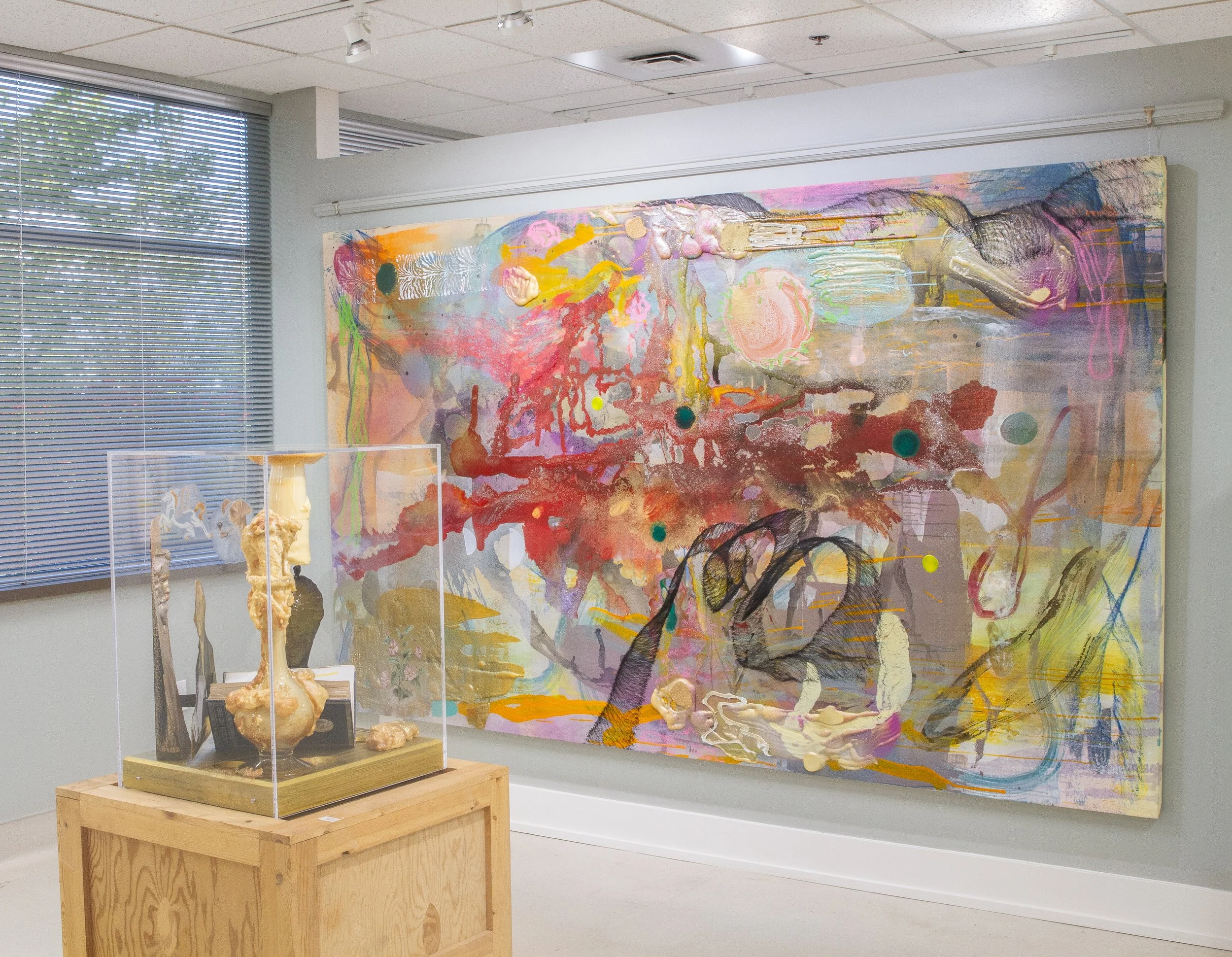
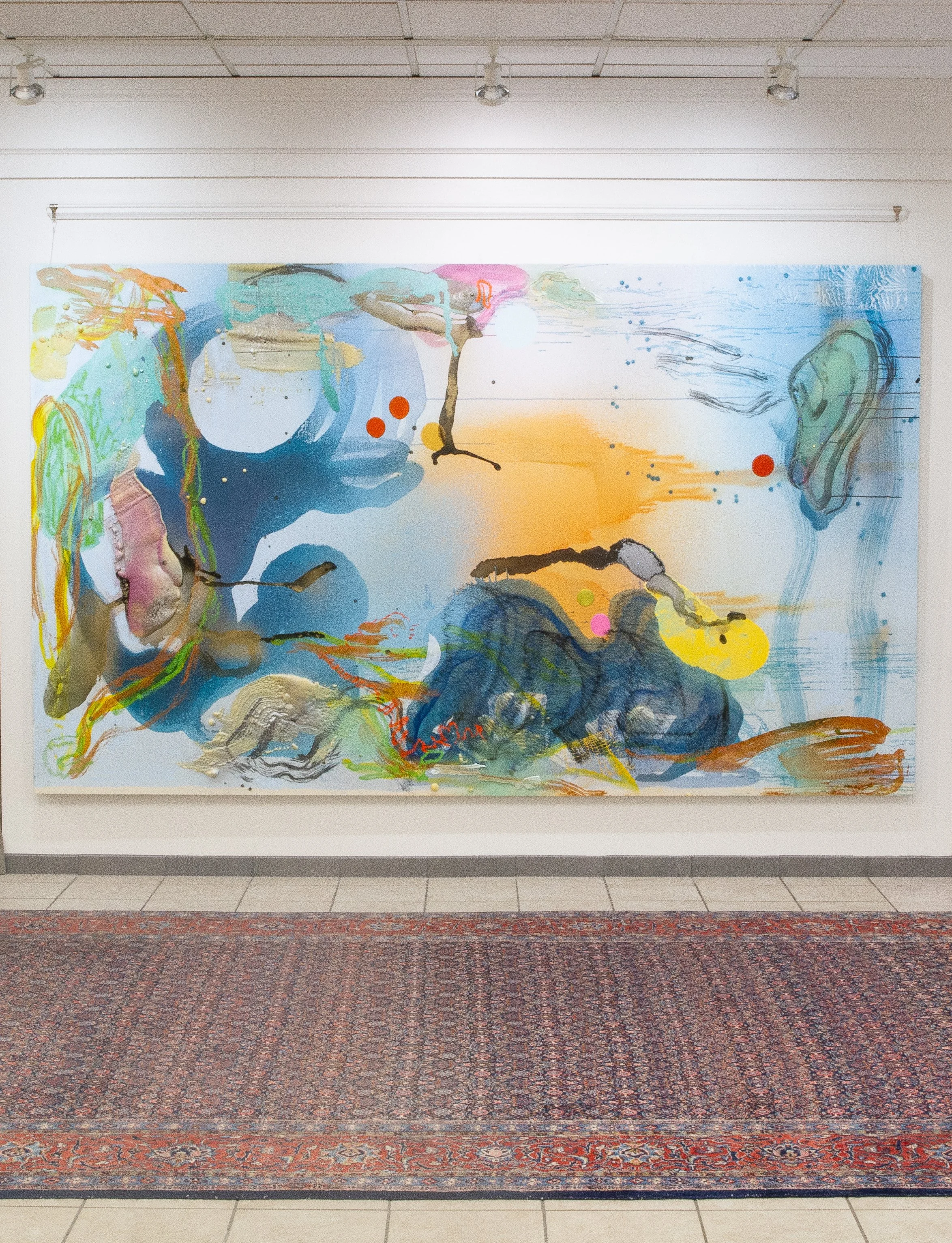
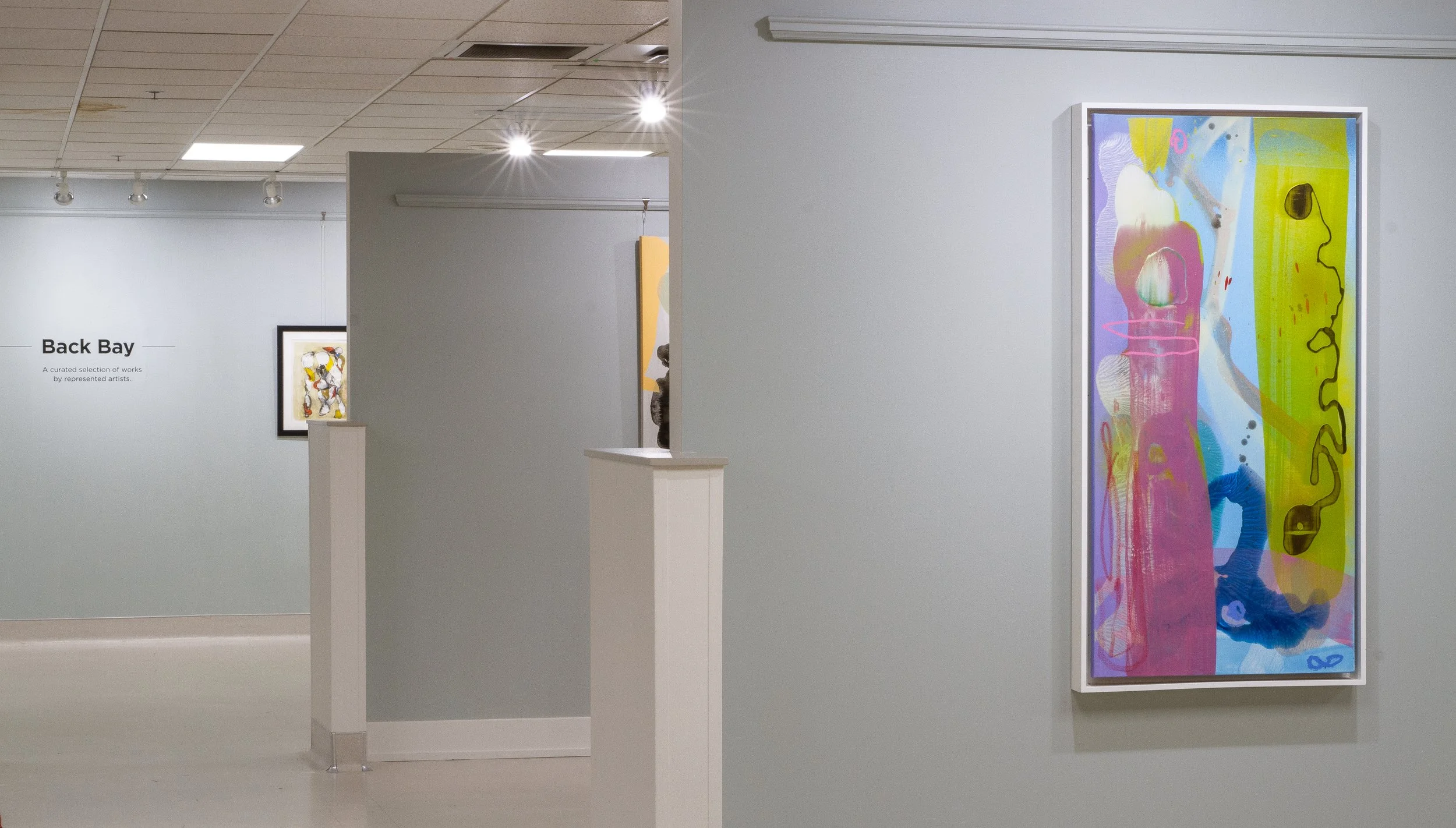
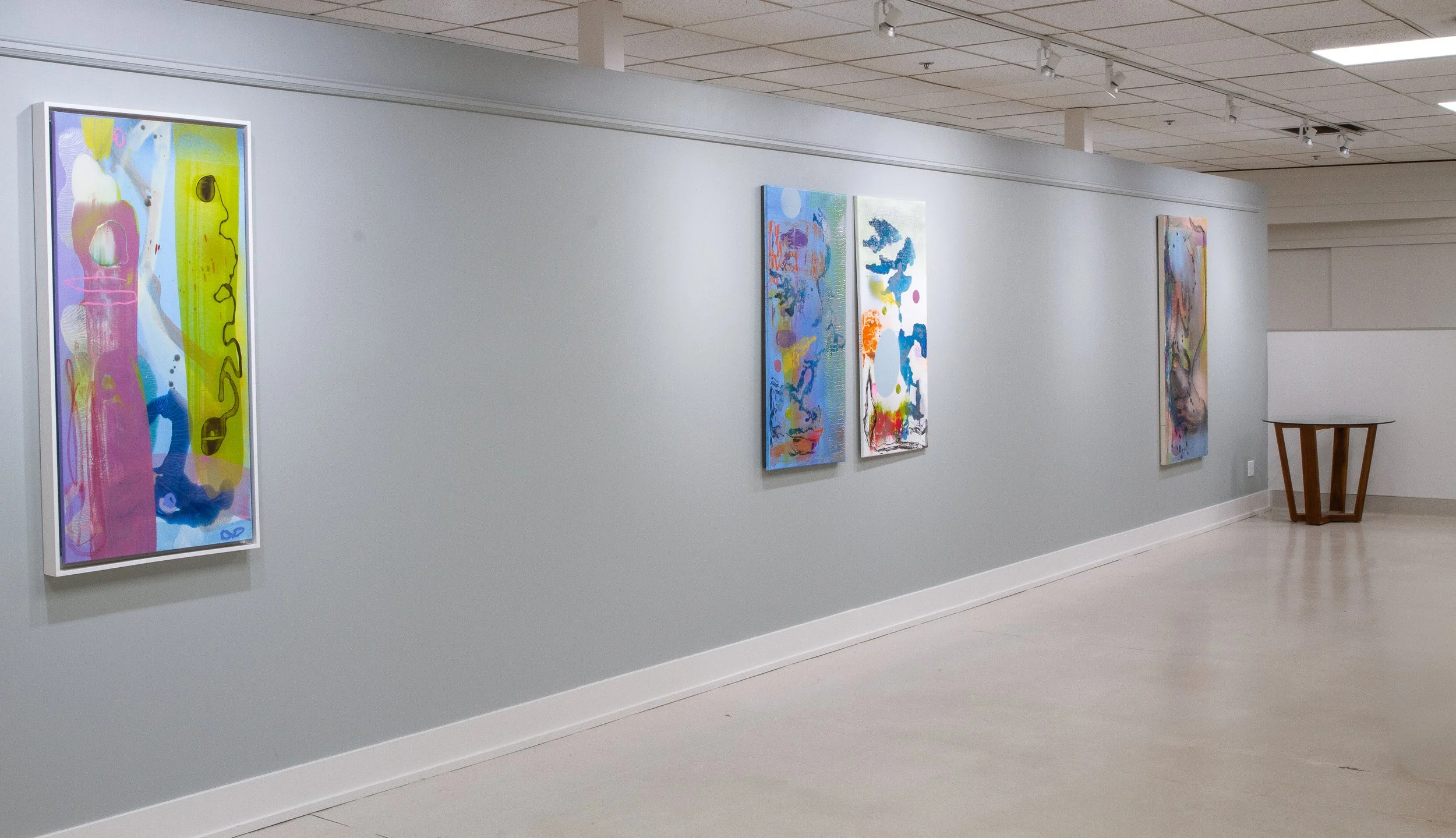
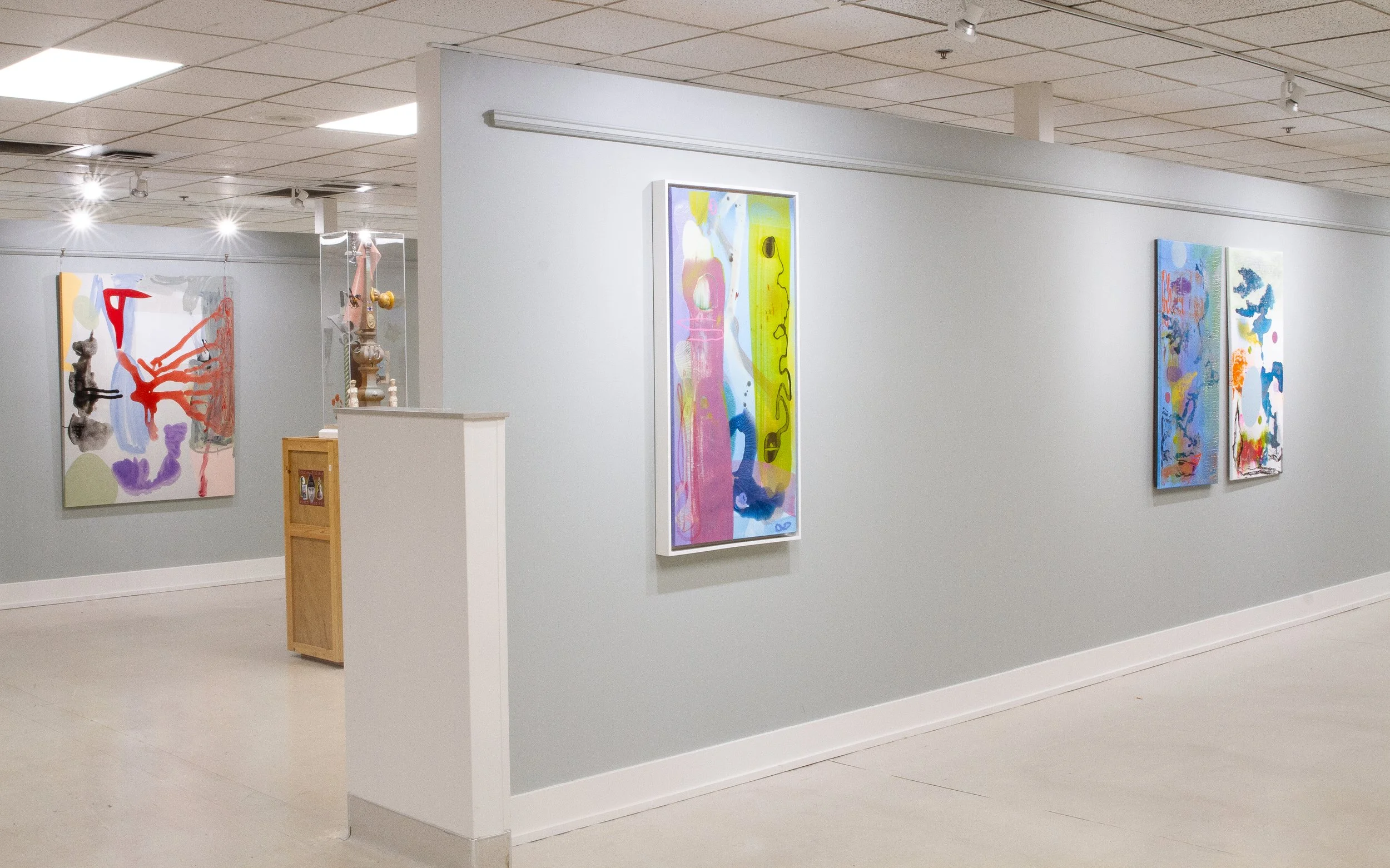
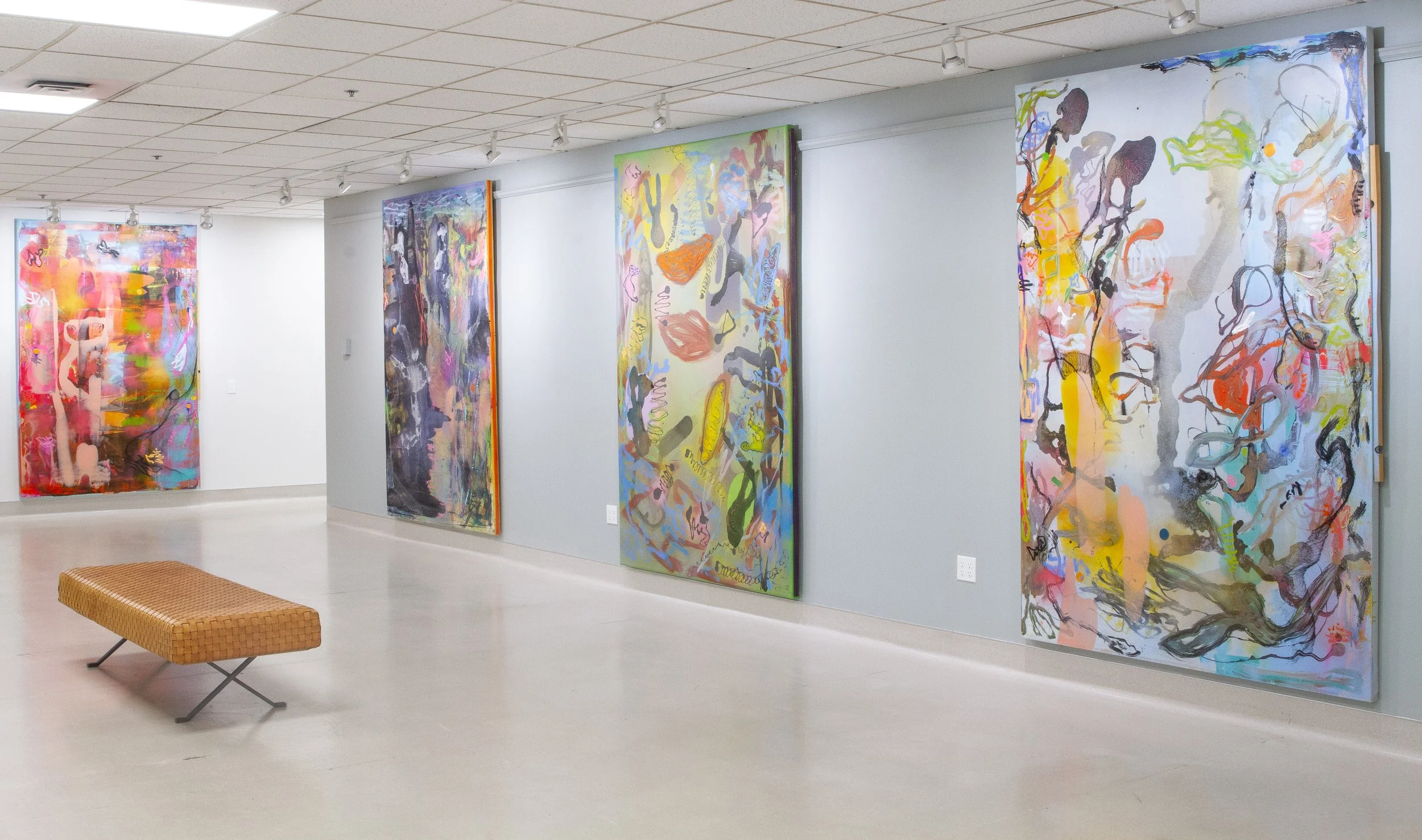
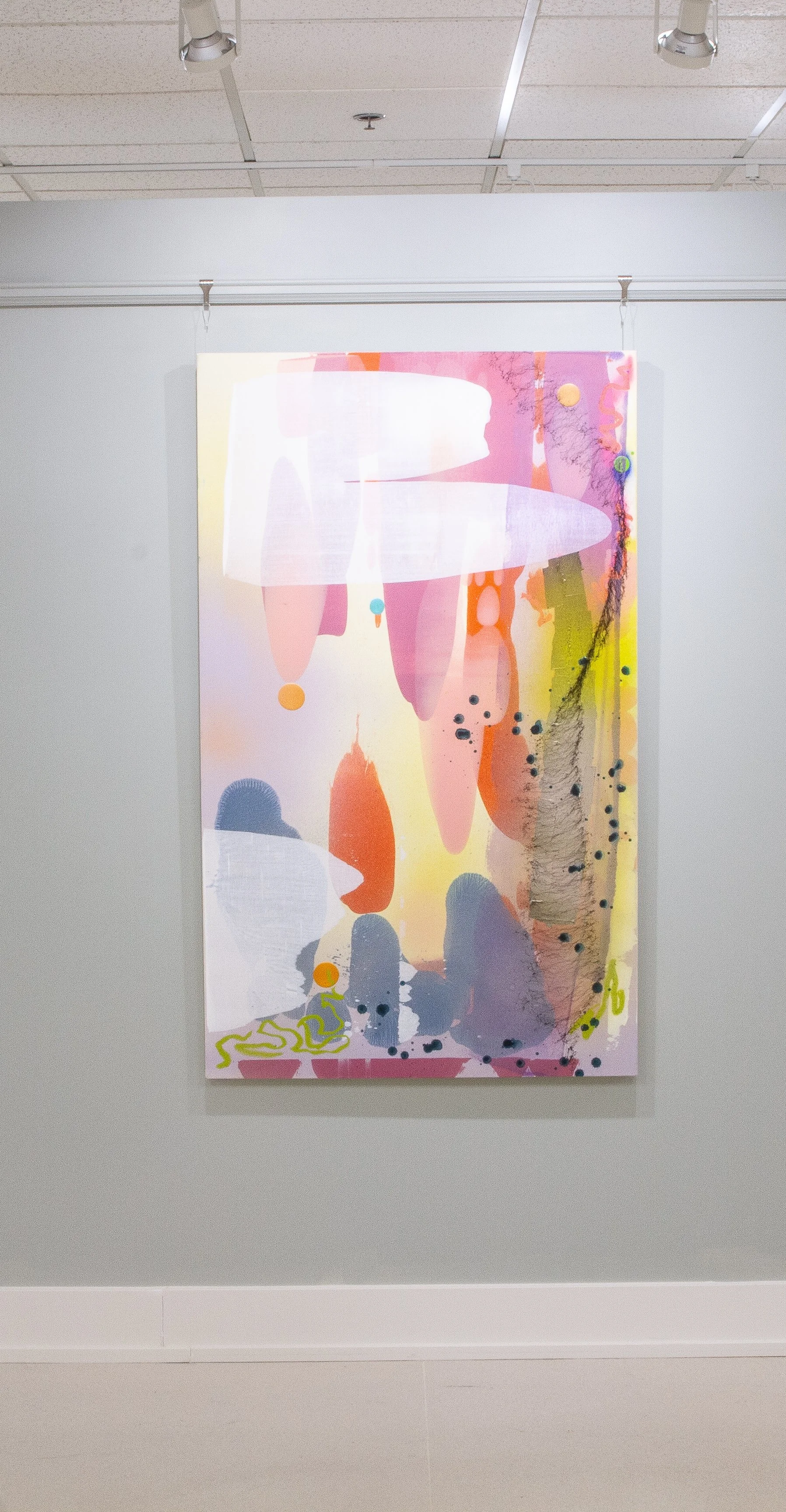
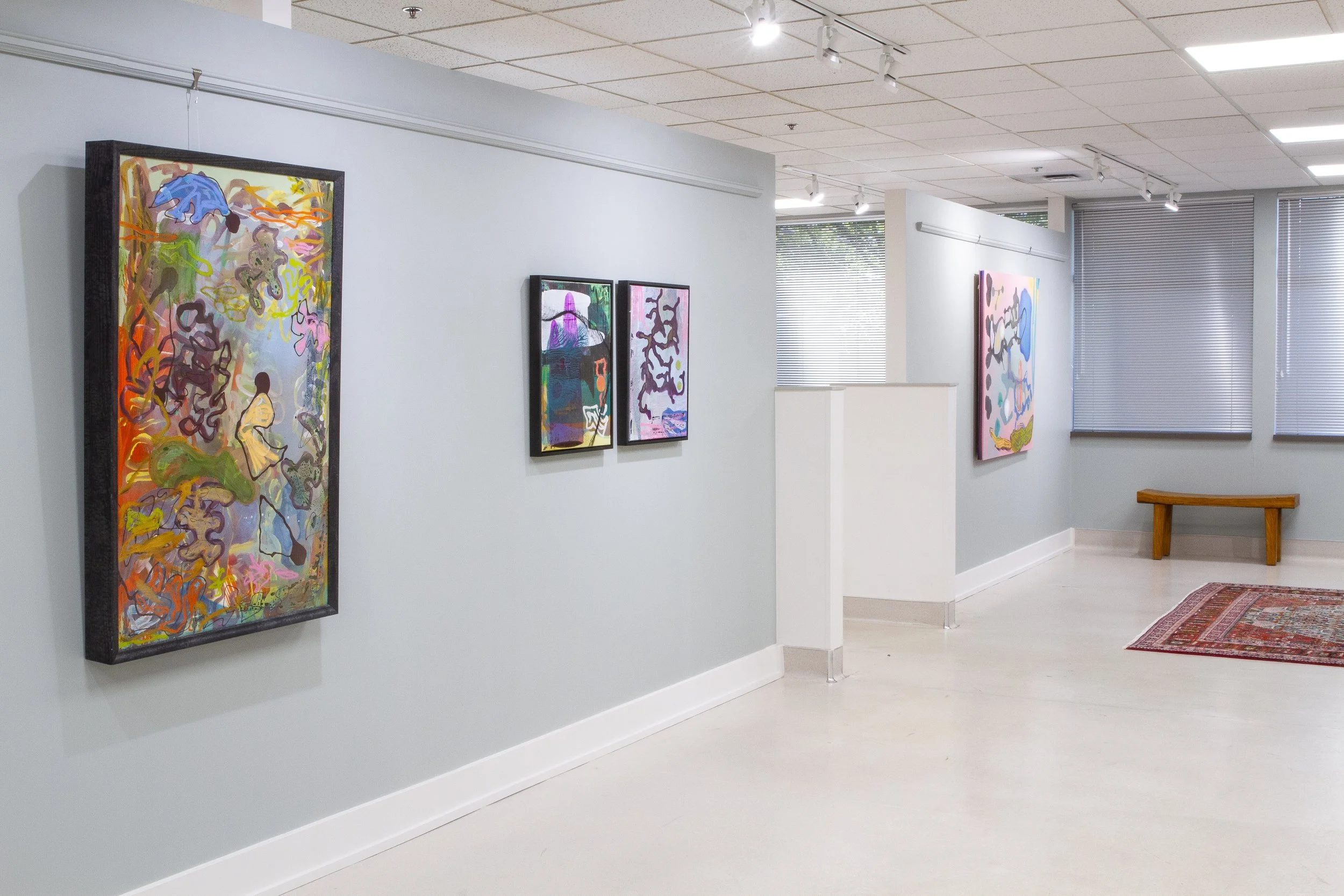
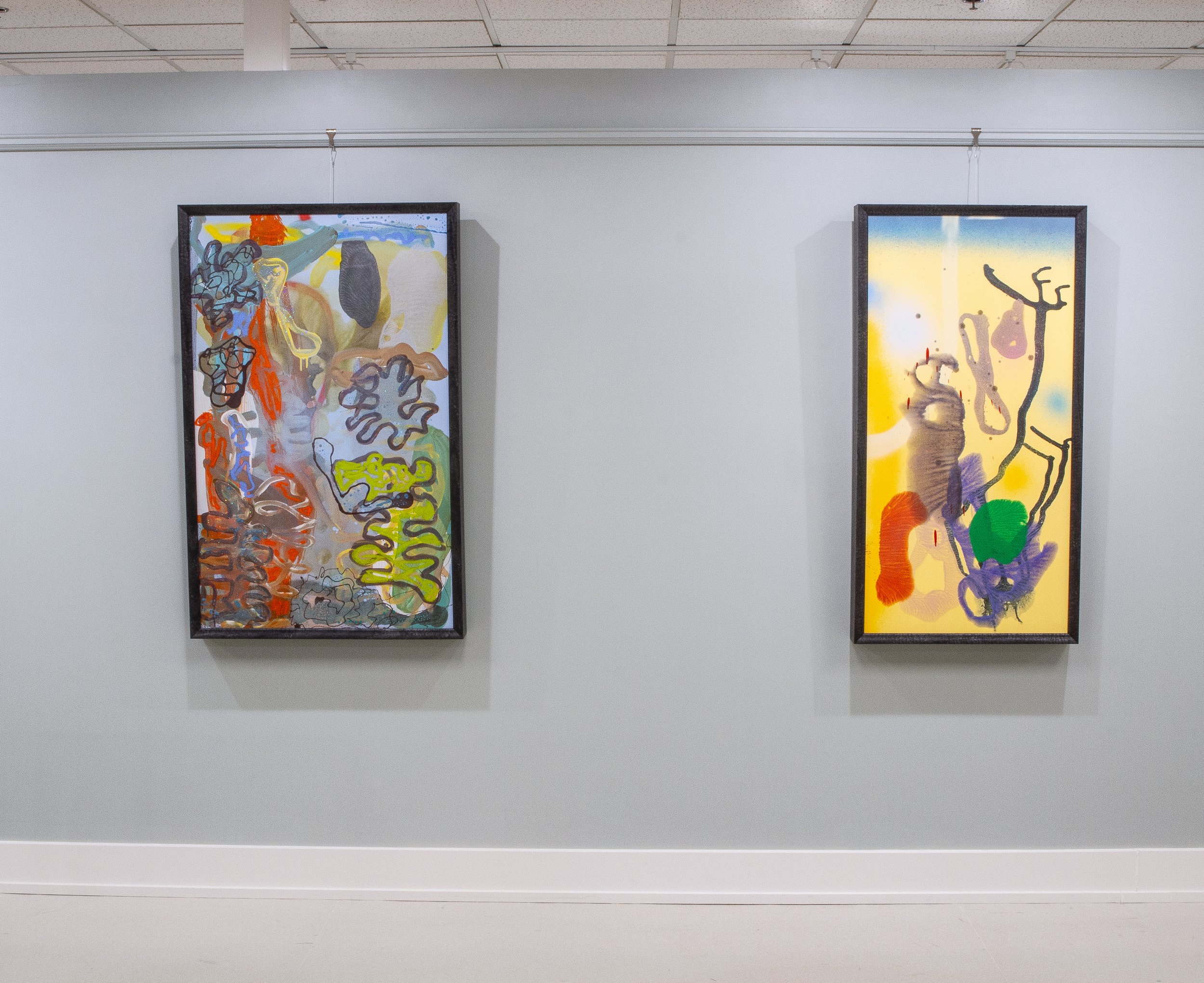
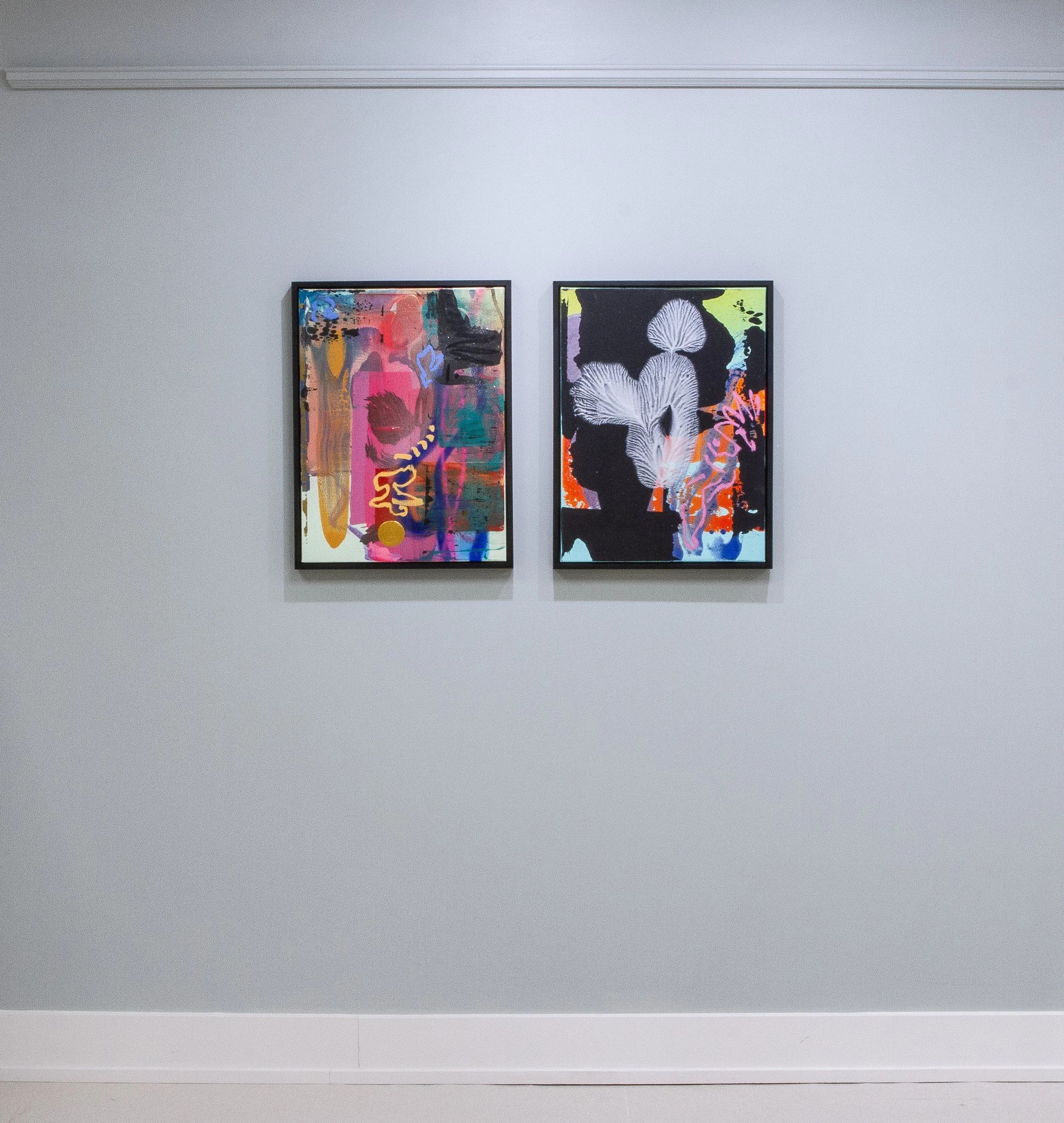
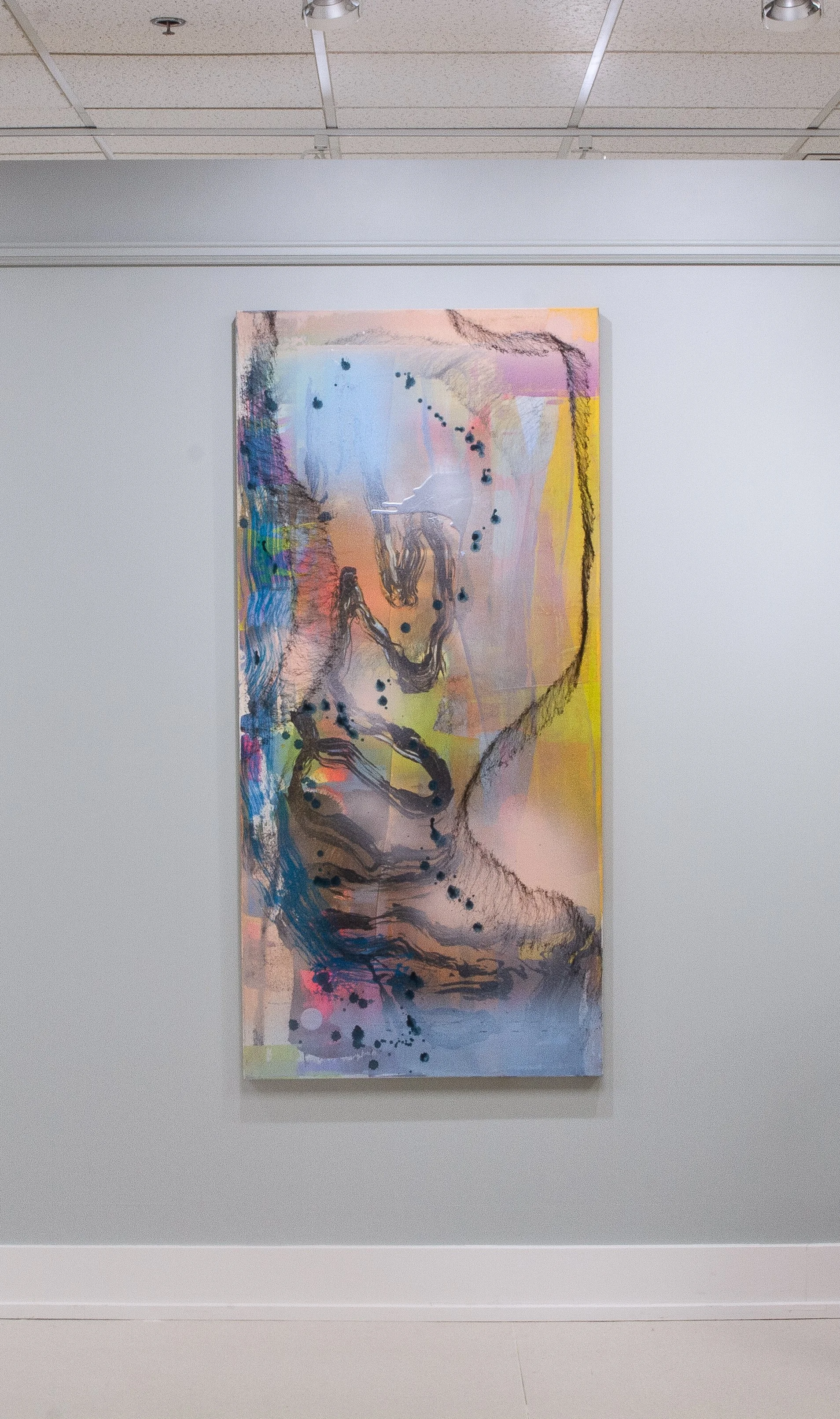
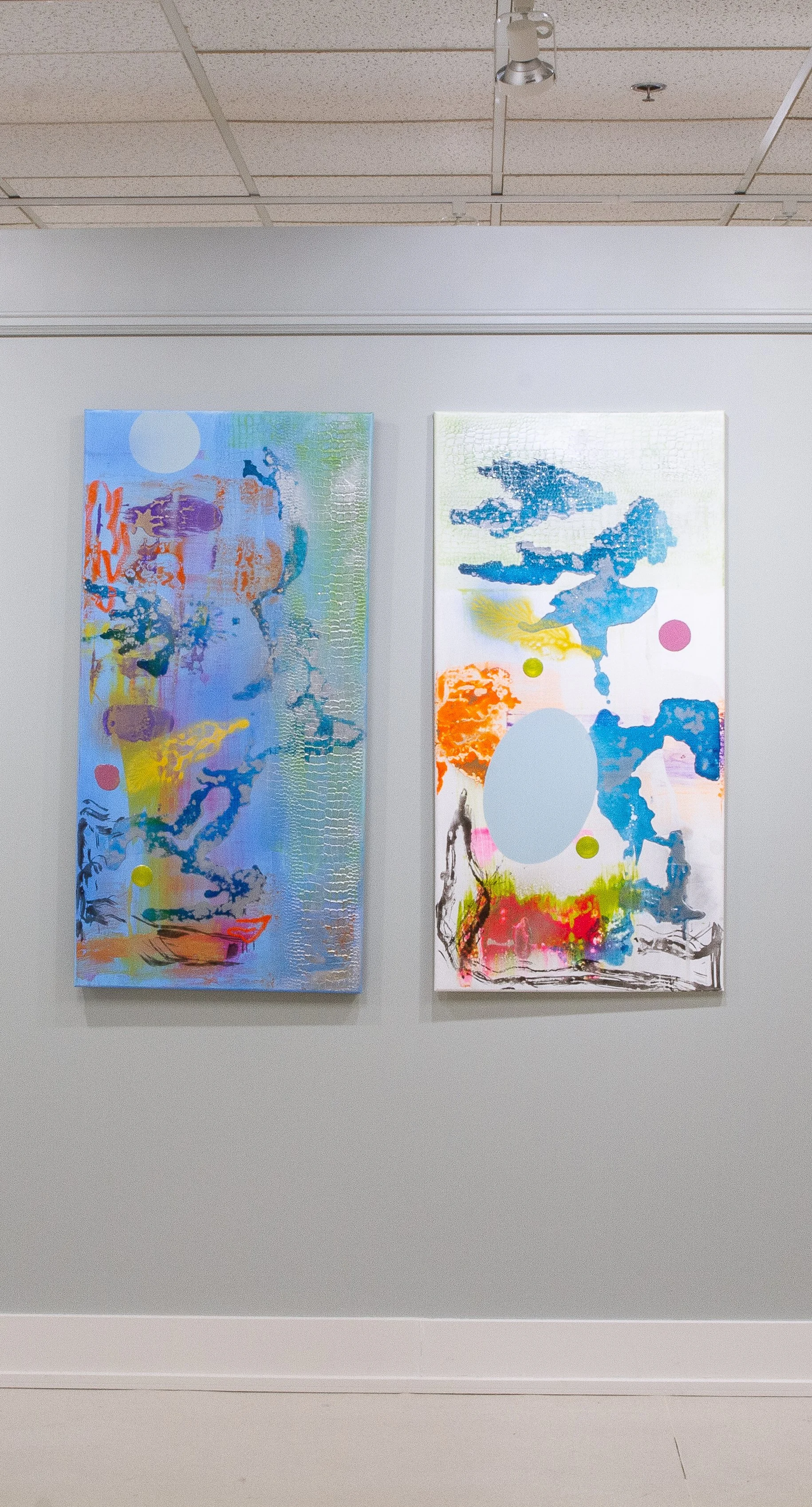
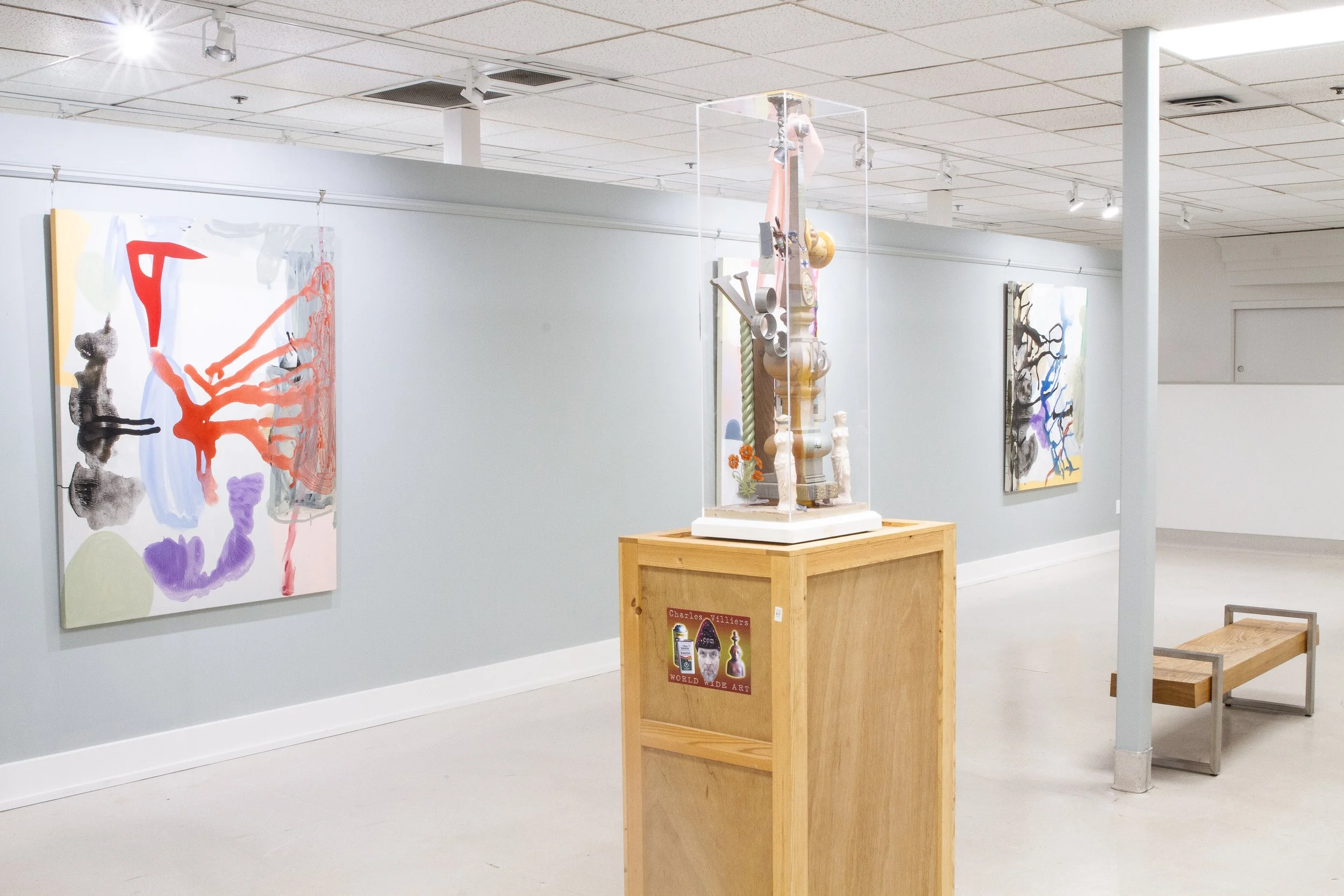
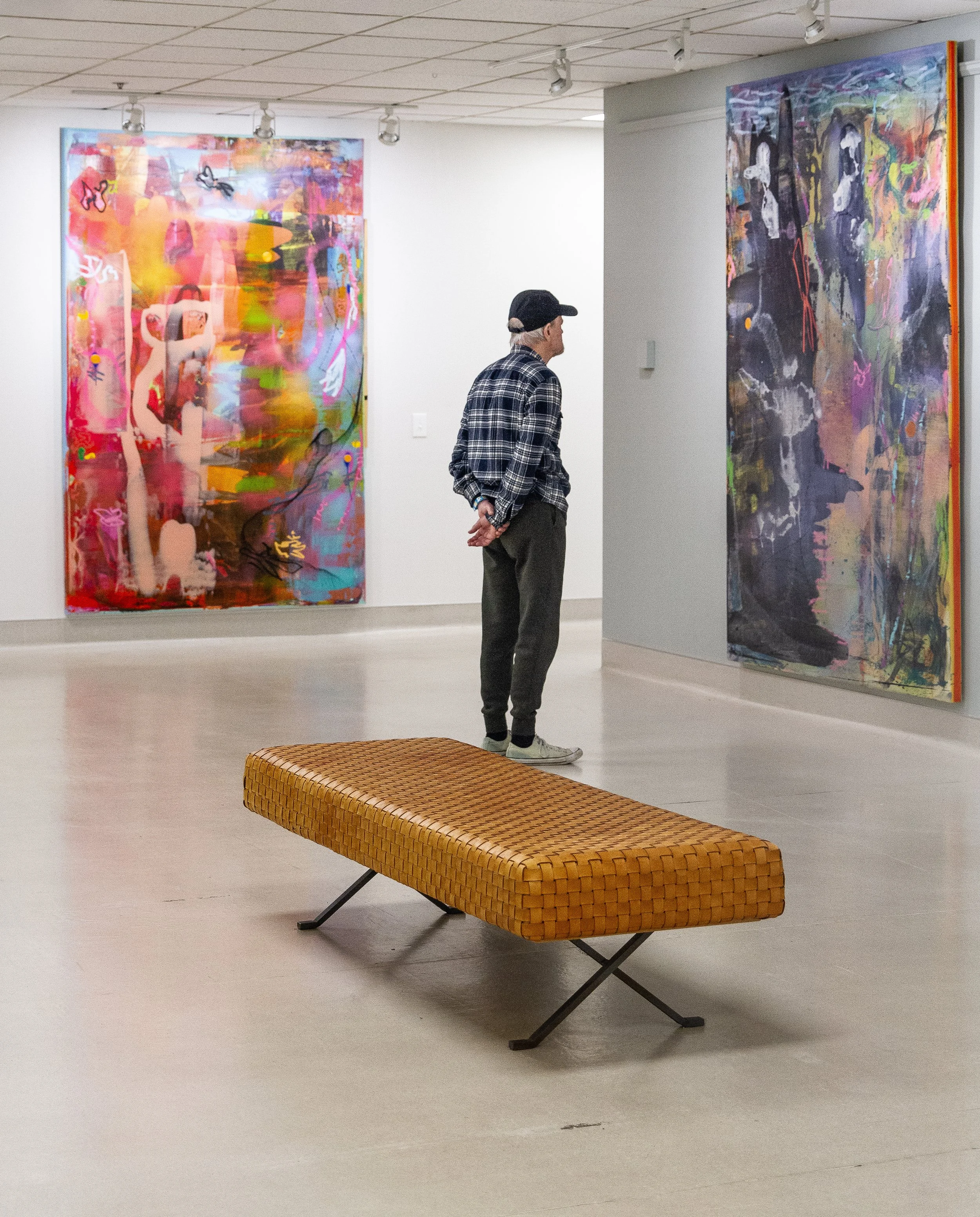
At the center of Villiers’ practice lies an ongoing investigation into his childhood memories and what he describes as non-objective painting. Rather than depicting recognizable subjects, his works explore states of mind and movement of thought: moments of contemplation, the sensation of being lost in thought, impulses of craving, shifts in energy, and the often tangled process through which ideas take form. Lines, layered shapes, and fields of color suggest motion, transformation, and turning points. Forms appear to emerge, dissolve, and recombine, creating compositions that feel spontaneous yet deeply intuitive. In this sense, Villiers’ paintings can be understood less as representations of the external world and more as visualizations of inner processes—thinking, searching, and becoming. 

Charles Villiers was introduced to art by his father, Amherst Villiers, a notable inventor who later turned to portrait making to support his family. First as a portrait sitter and later as a student, Charles was exposed early to classical artistic techniques and disciplined studio practice. The family divided their time between New York and London, which brought Charles into contact with cultural circles that included Sir Roland Penrose, the renowned Surrealist and co-founder of the Tate Museum in London, as well as the British writer Ian Fleming. According to family accounts, Fleming once asked the ten-year-old Charles to draw a prototype for the fantastical car featured in his children’s story Chitty Chitty Bang Bang (1964), an episode that further encouraged the young Villiers to pursue artistic creation.

During the 1960s, Villiers became deeply involved in the vibrant music scenes of both the United Kingdom and the American West Coast, forming bands and participating in film projects. This immersion in music and performance would leave a lasting imprint on his artistic sensibility. Rhythm, improvisation, and spontaneity—qualities inherent to musical creation—would later resonate in his visual work, where gesture, energy, and intuitive composition play a central role.

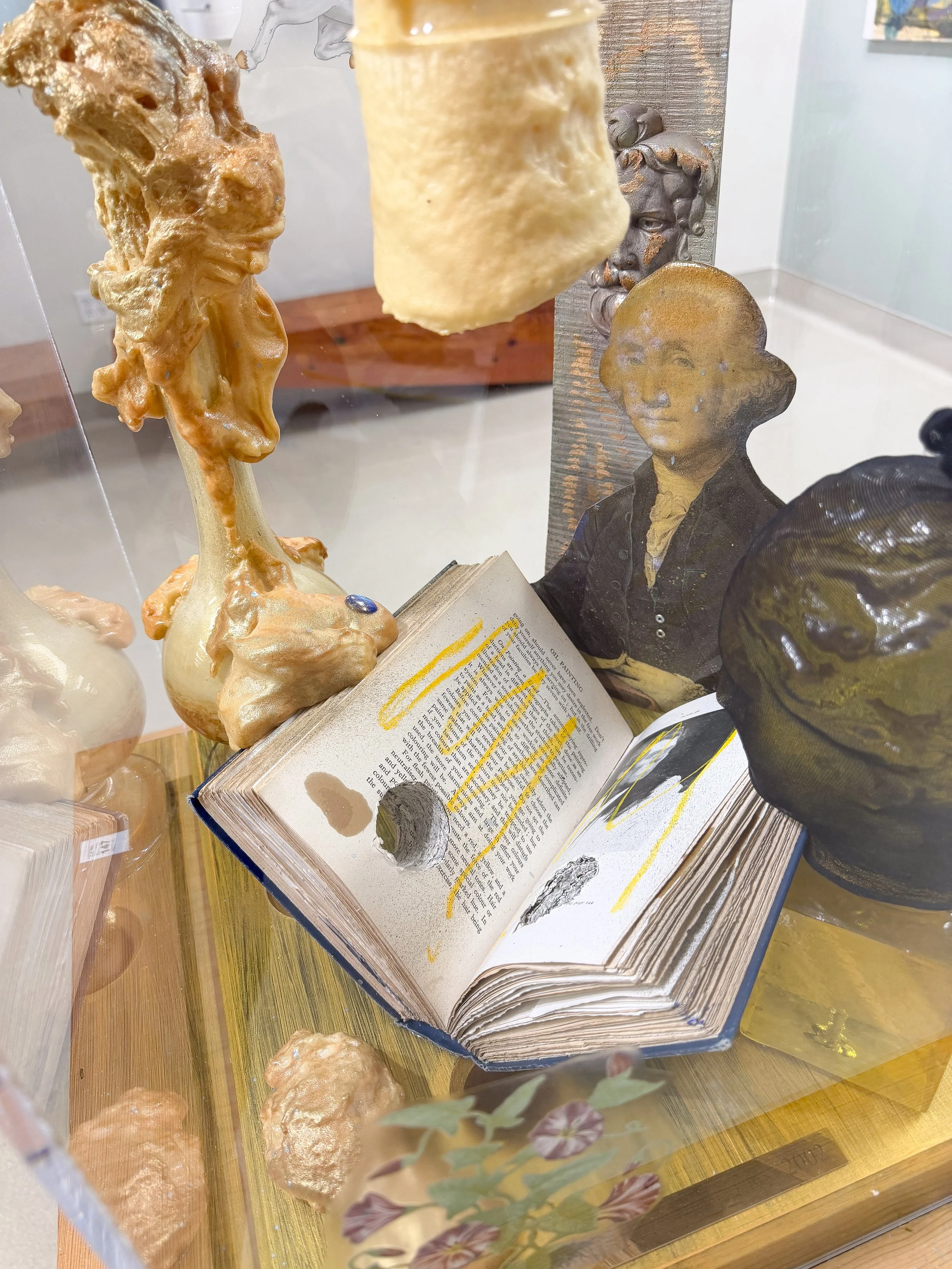
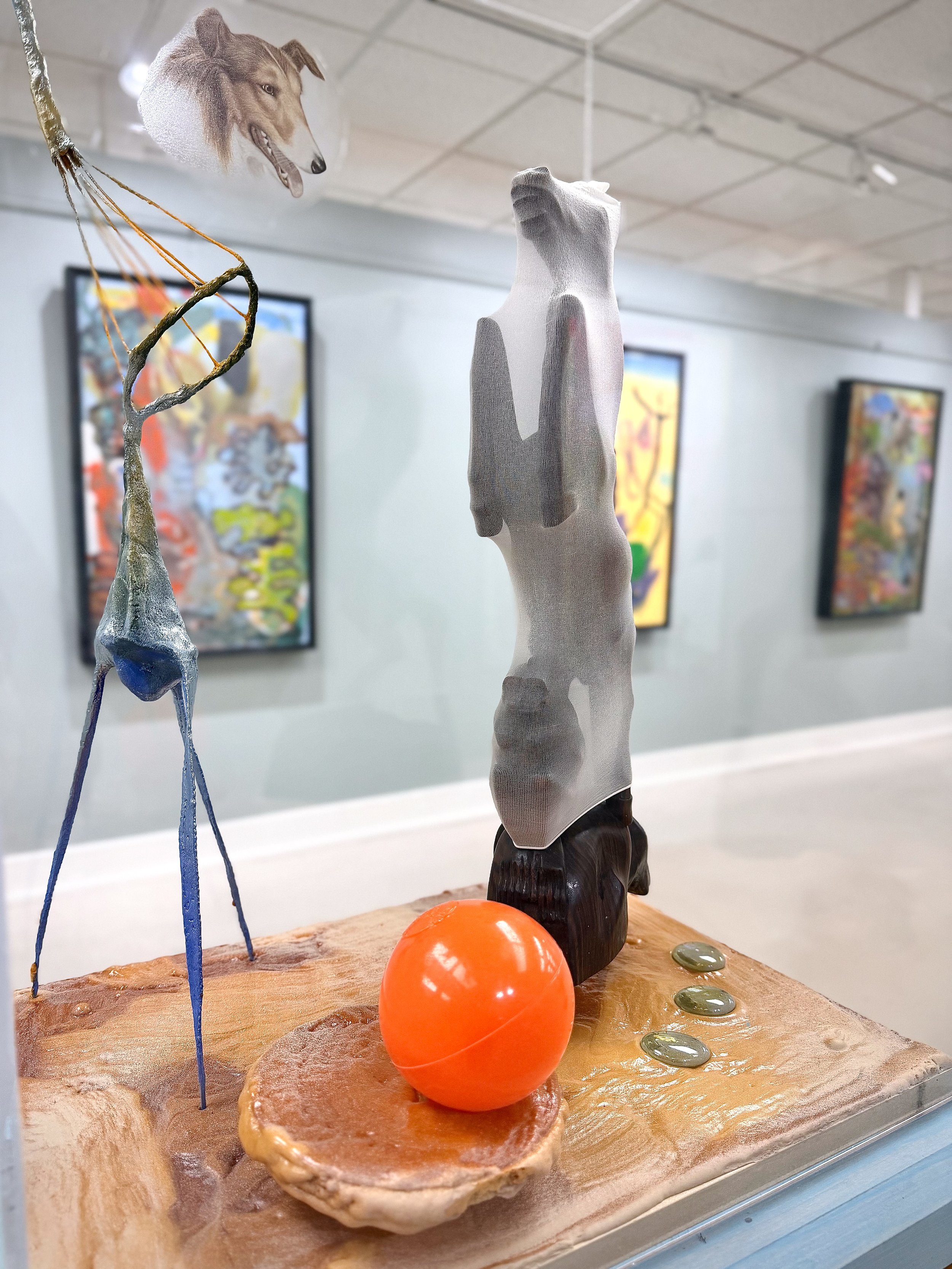
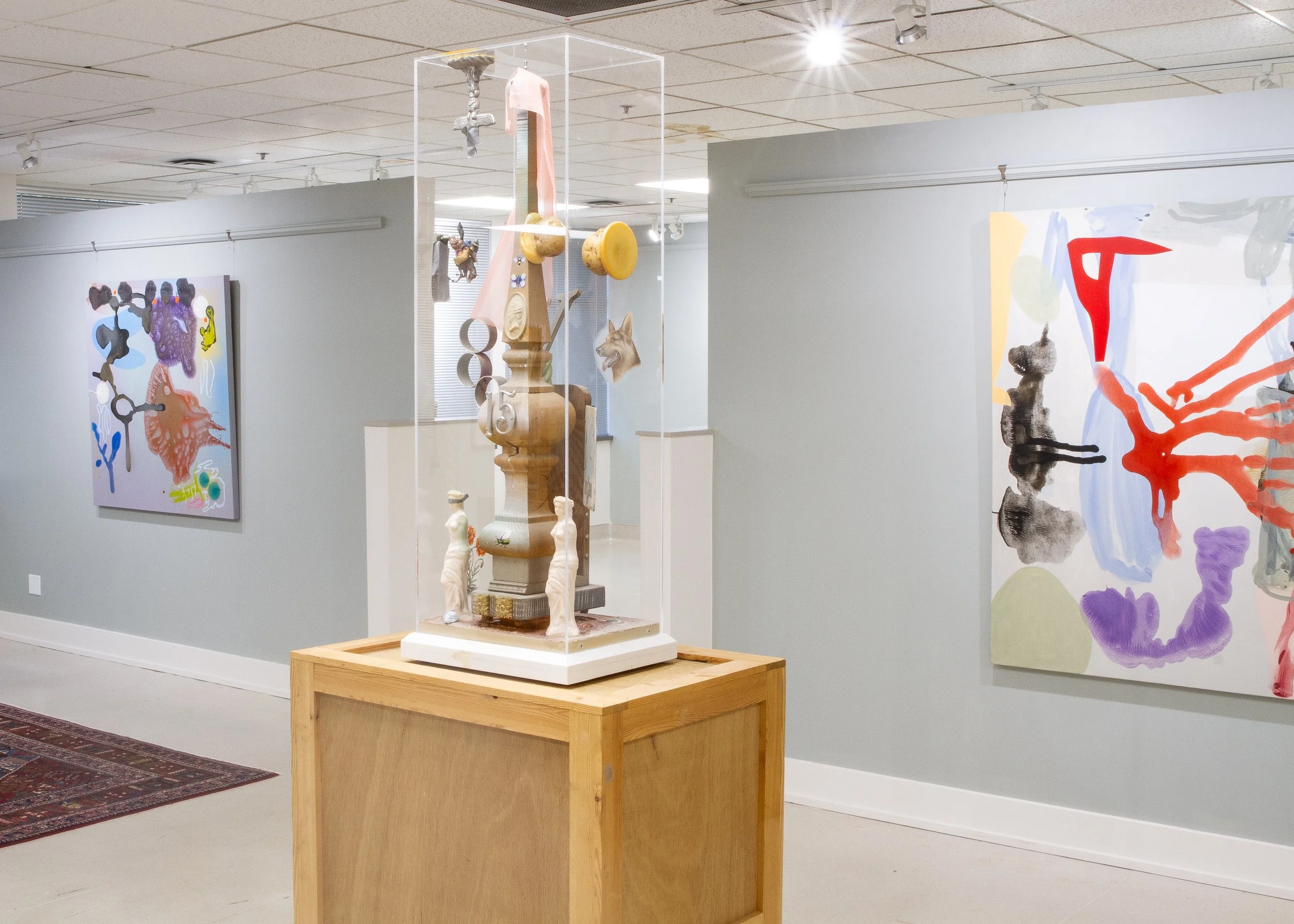
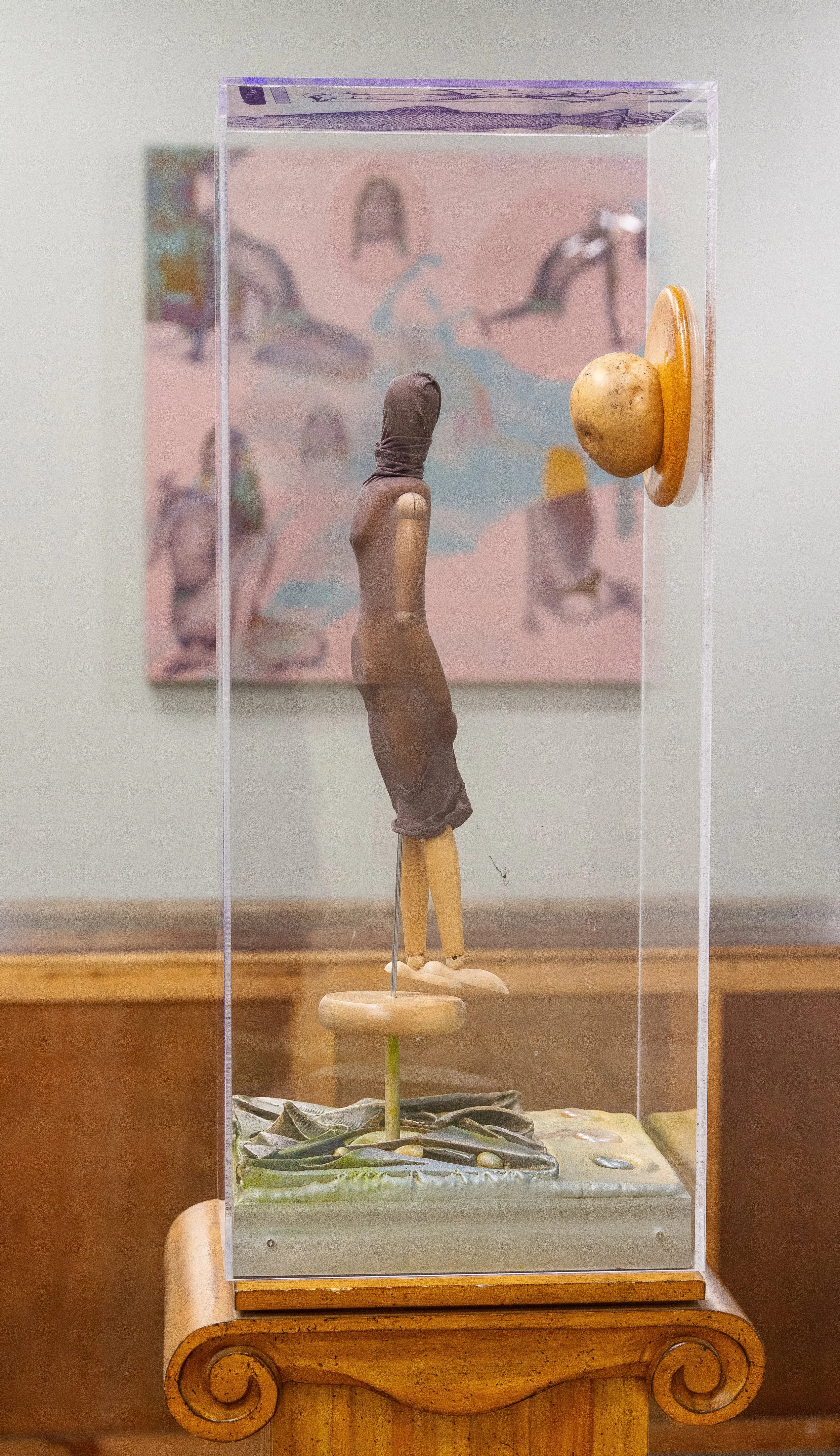
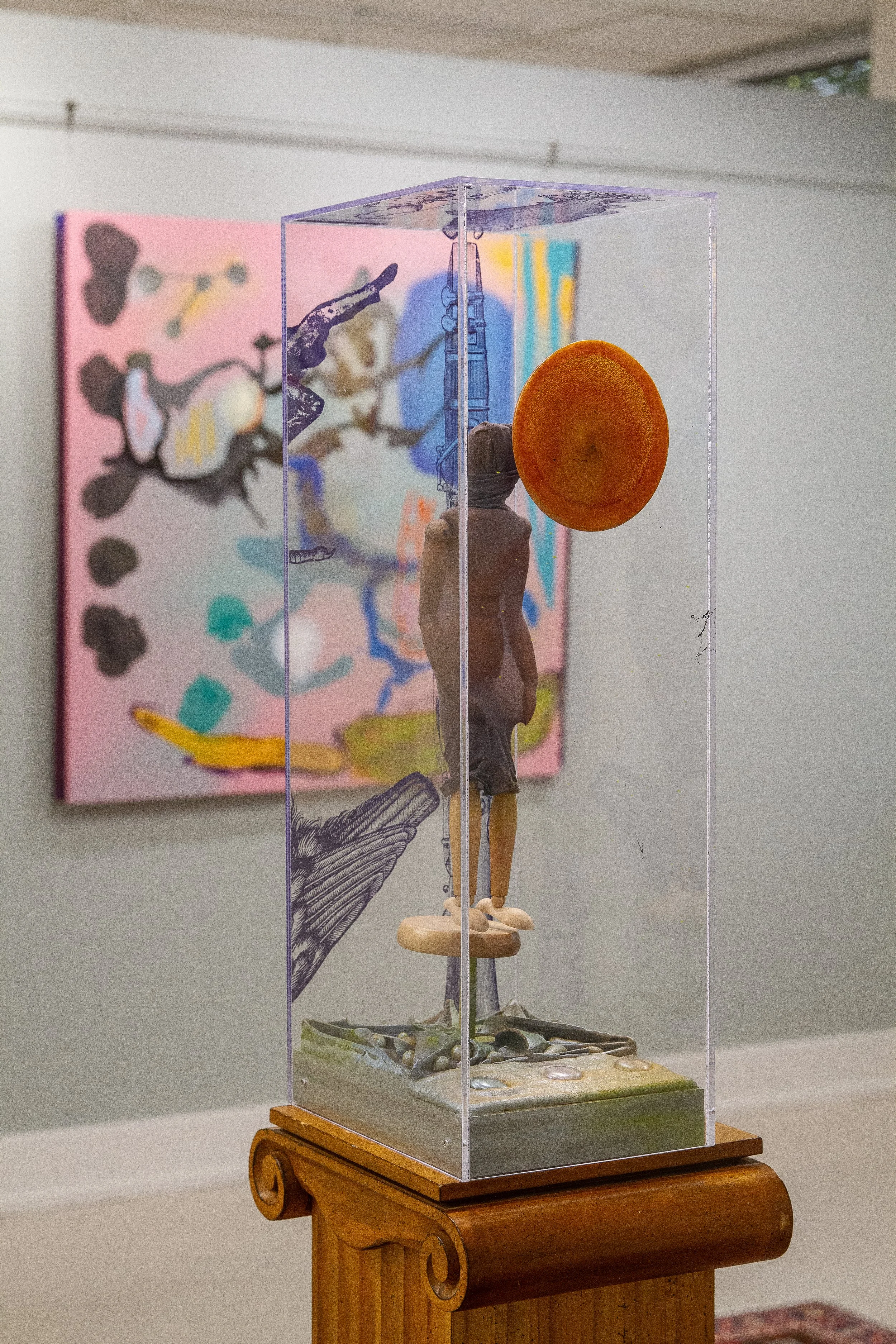
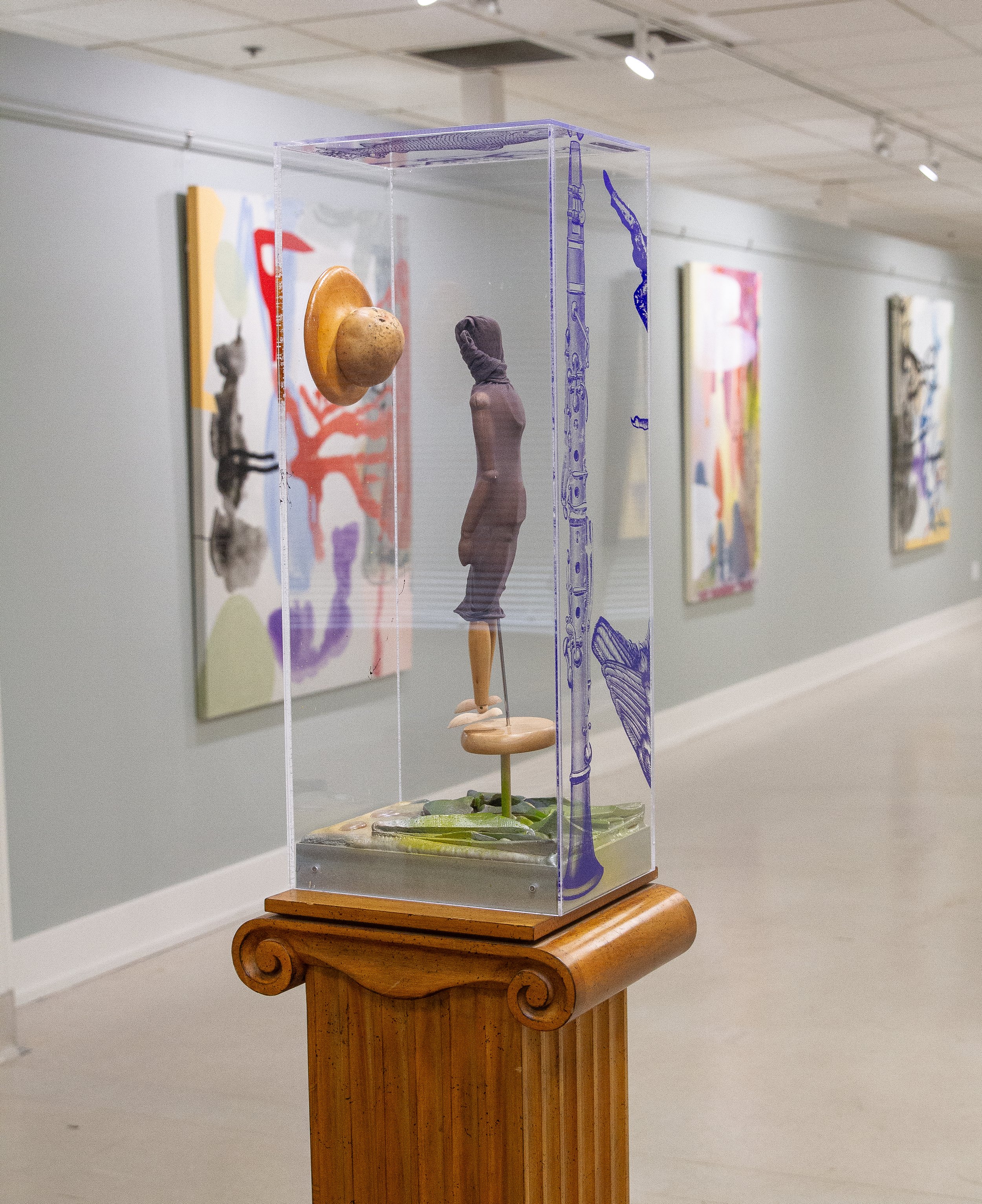
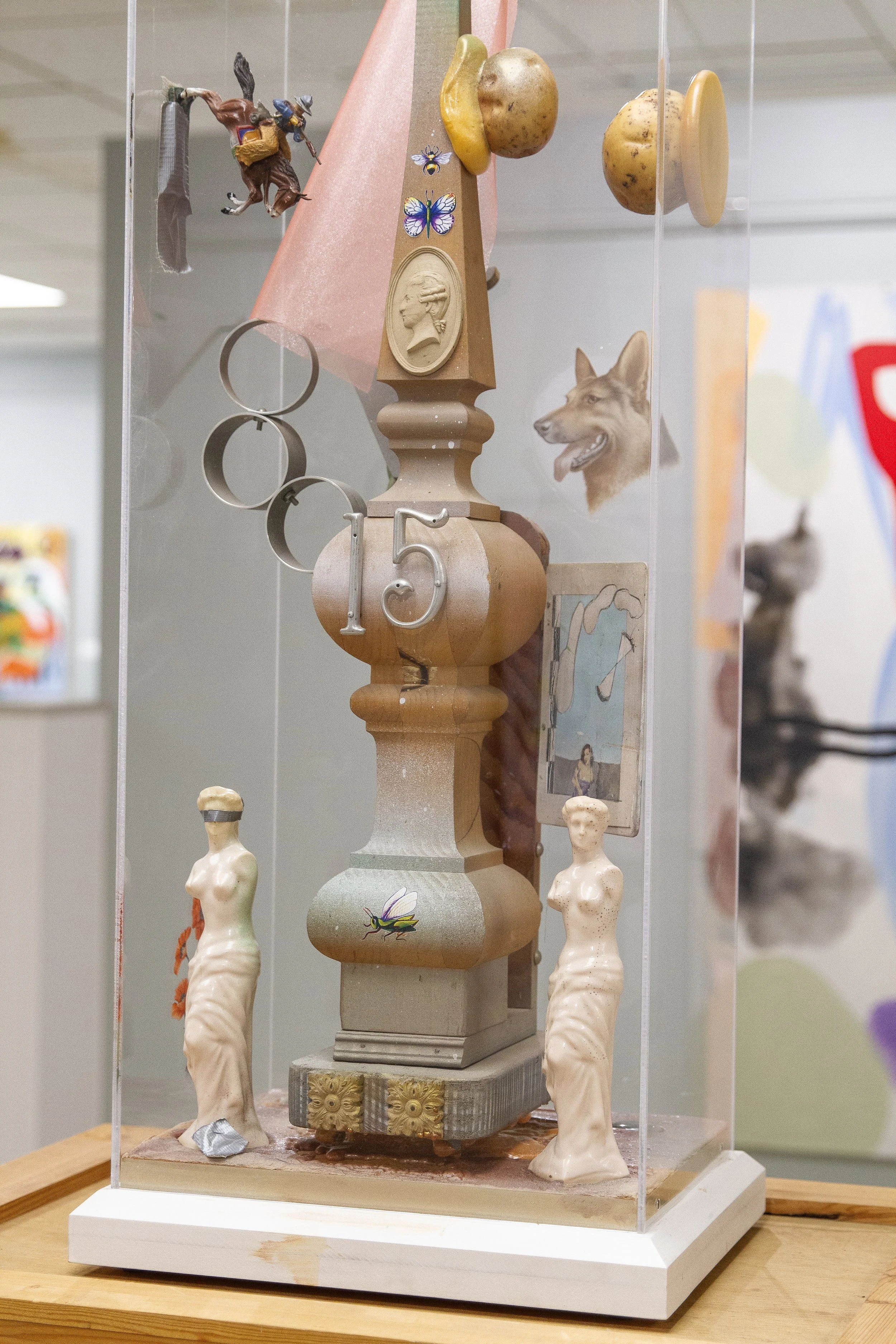
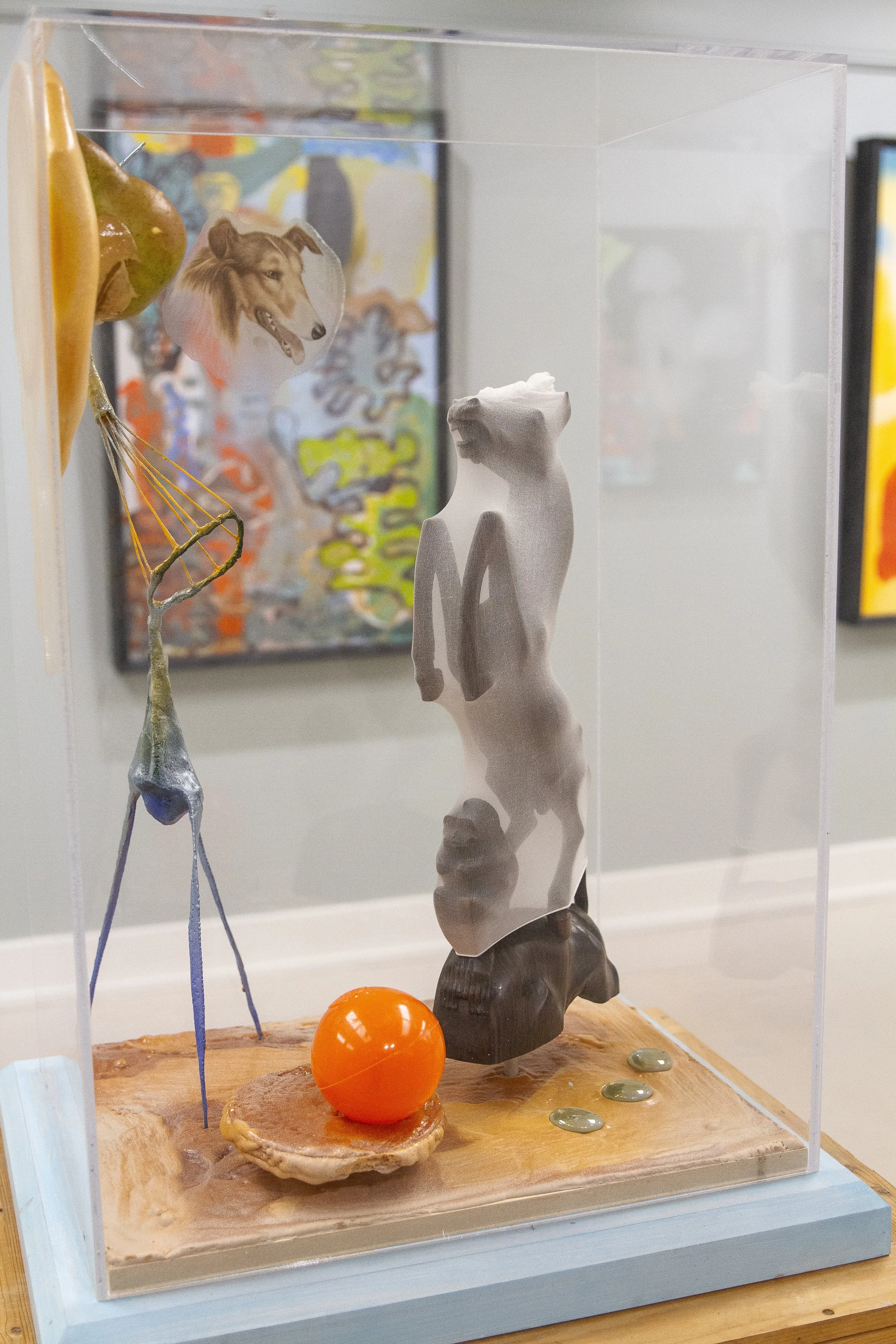
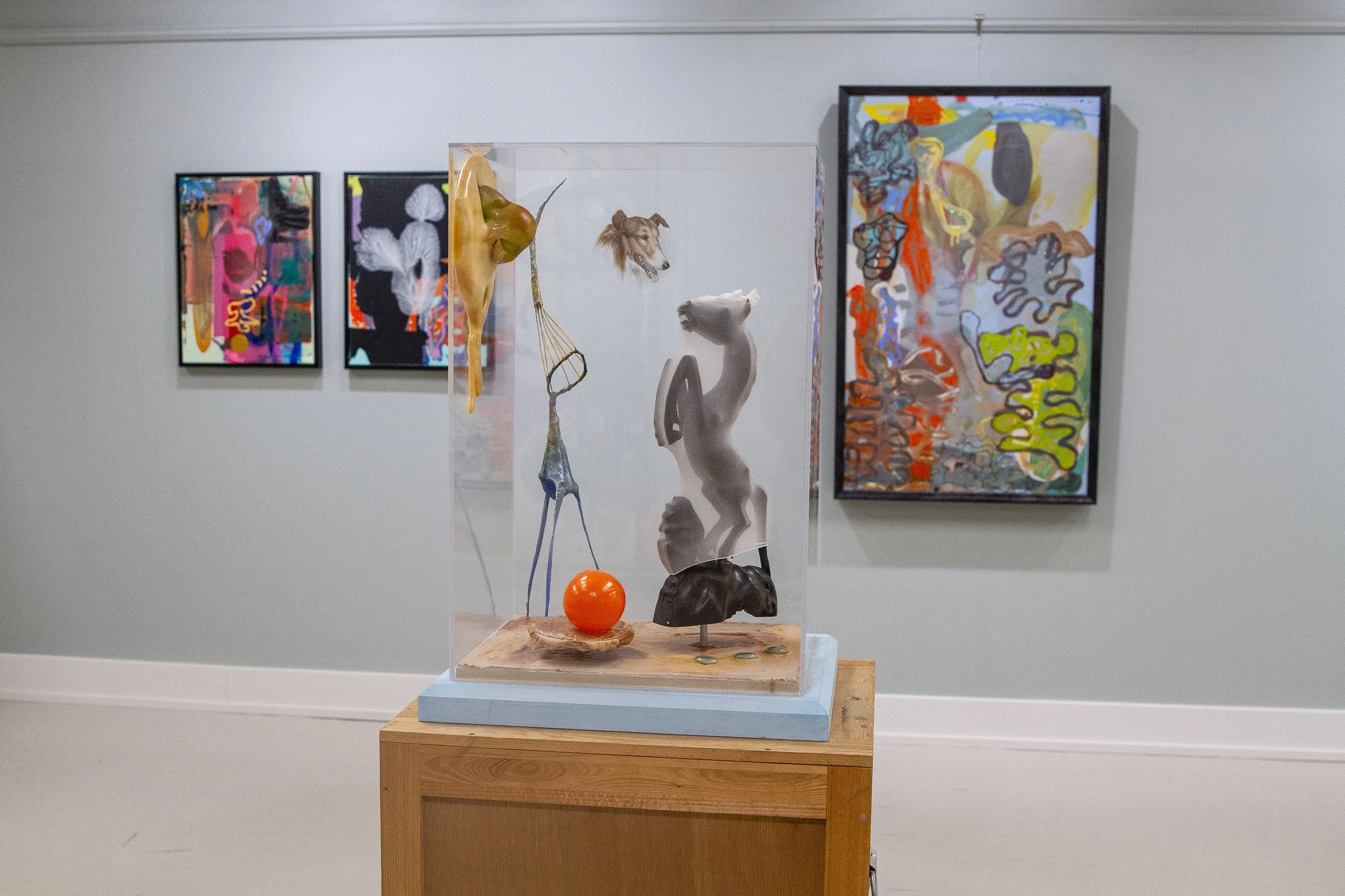
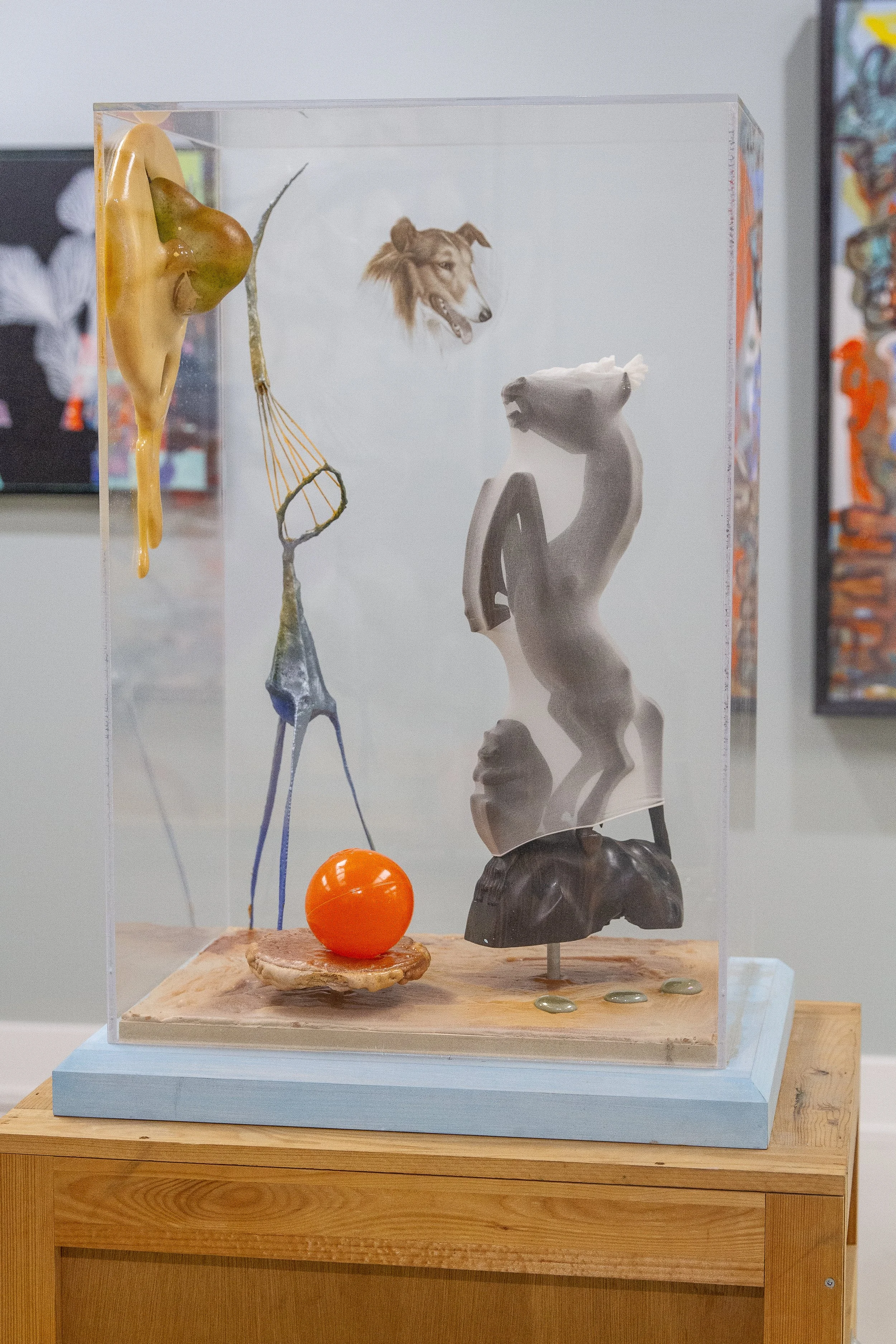
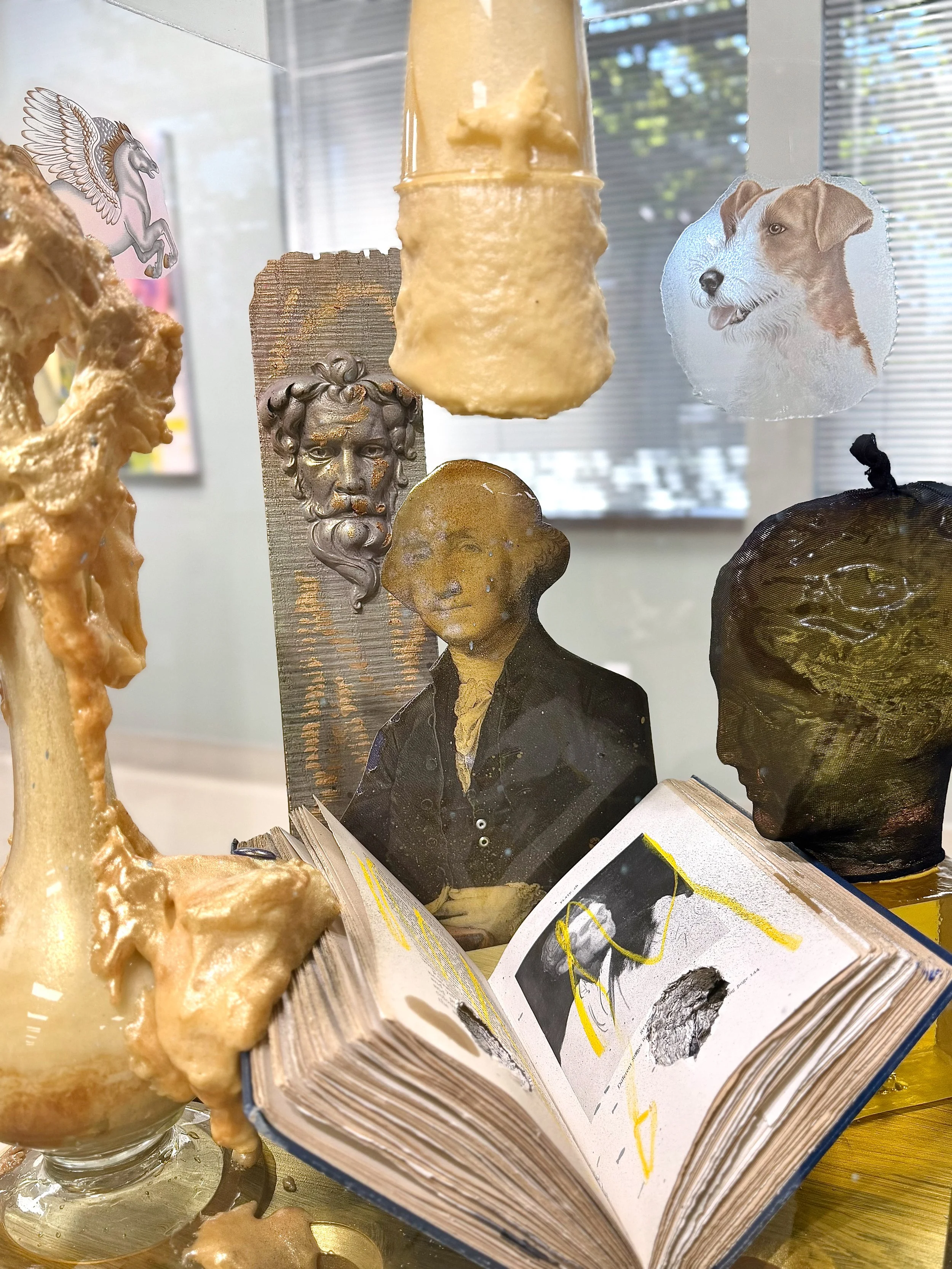
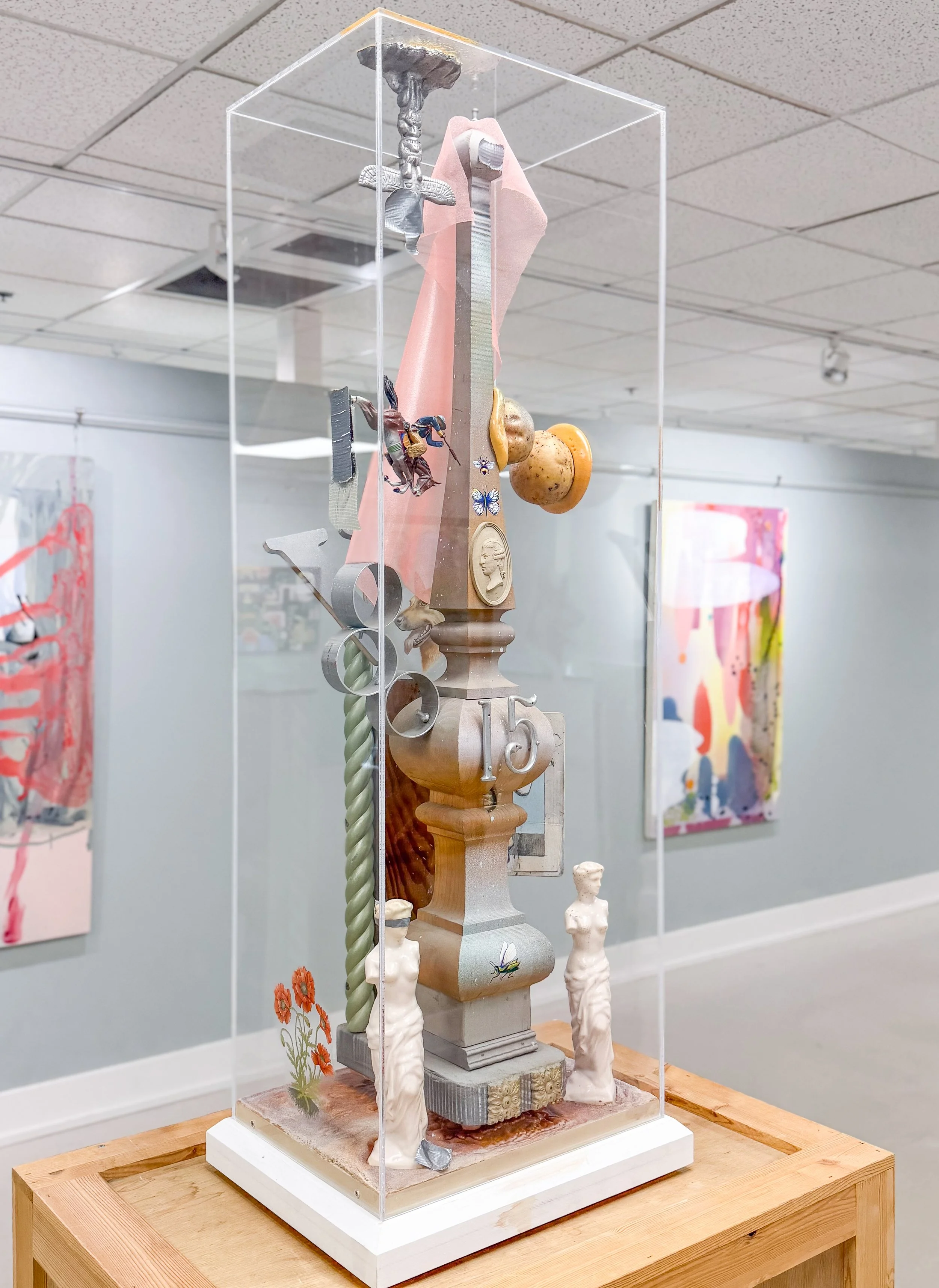
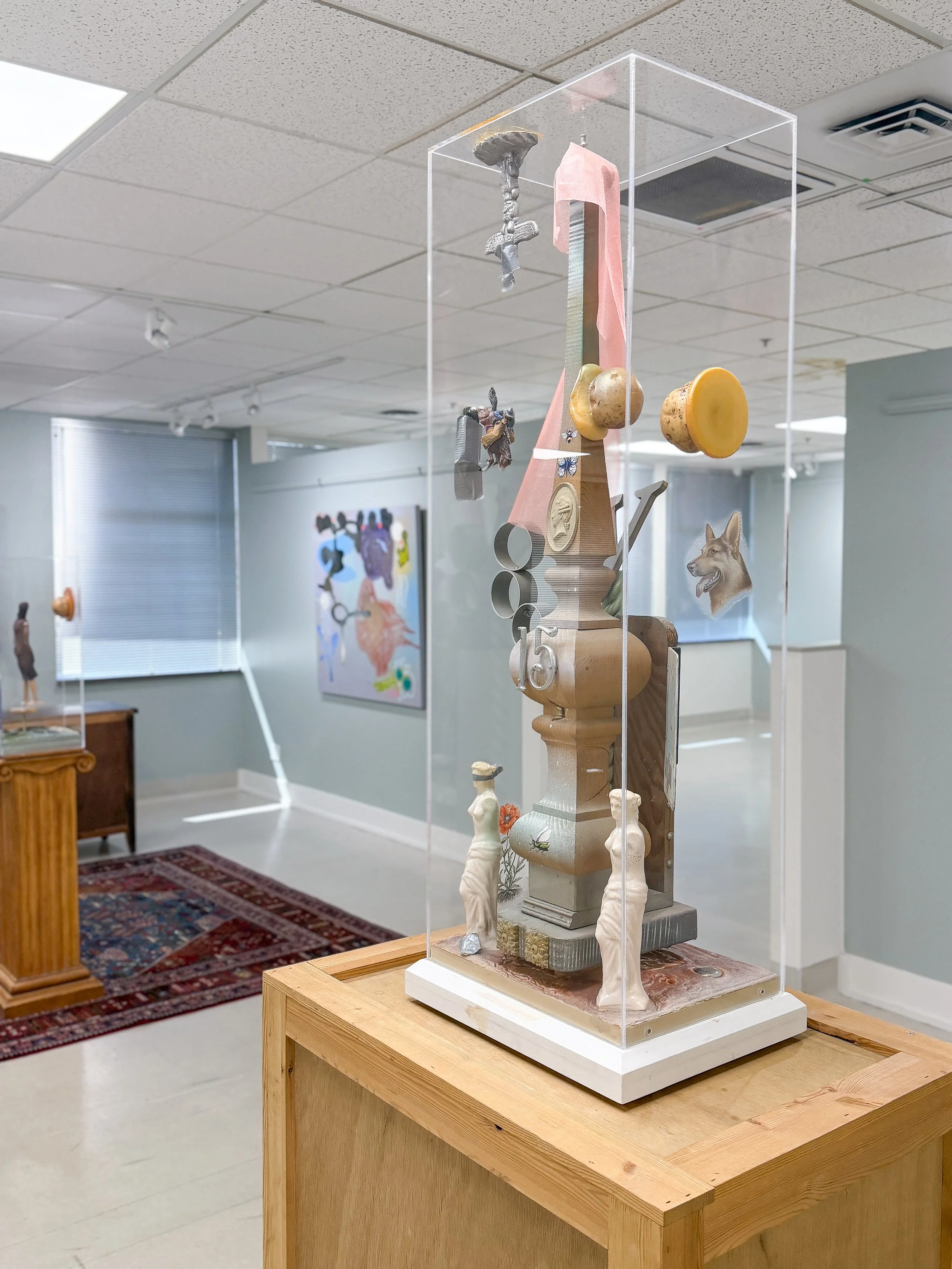
Over time, Villiers lived and worked in several artistic environments, including London, Mallorca, and Los Angeles. These experiences exposed him to a wide range of creative communities and cross-disciplinary experimentation. In Los Angeles in particular, he worked extensively in photography, including fashion photography, while restlessly remaining engaged with painting and mixed media. The city’s dynamic intersection of commercial image production and avant-garde experimentation provided fertile ground for an artist whose curiosity extended across mediums. Throughout these years, Villiers produced an extraordinary quantity of work. His practice ranges from surrealistic paintings and sculptural collages sealed under printed plexiglass—often containing autobiographical fragments—to later works that increasingly embrace abstraction and non-objective visual language. 

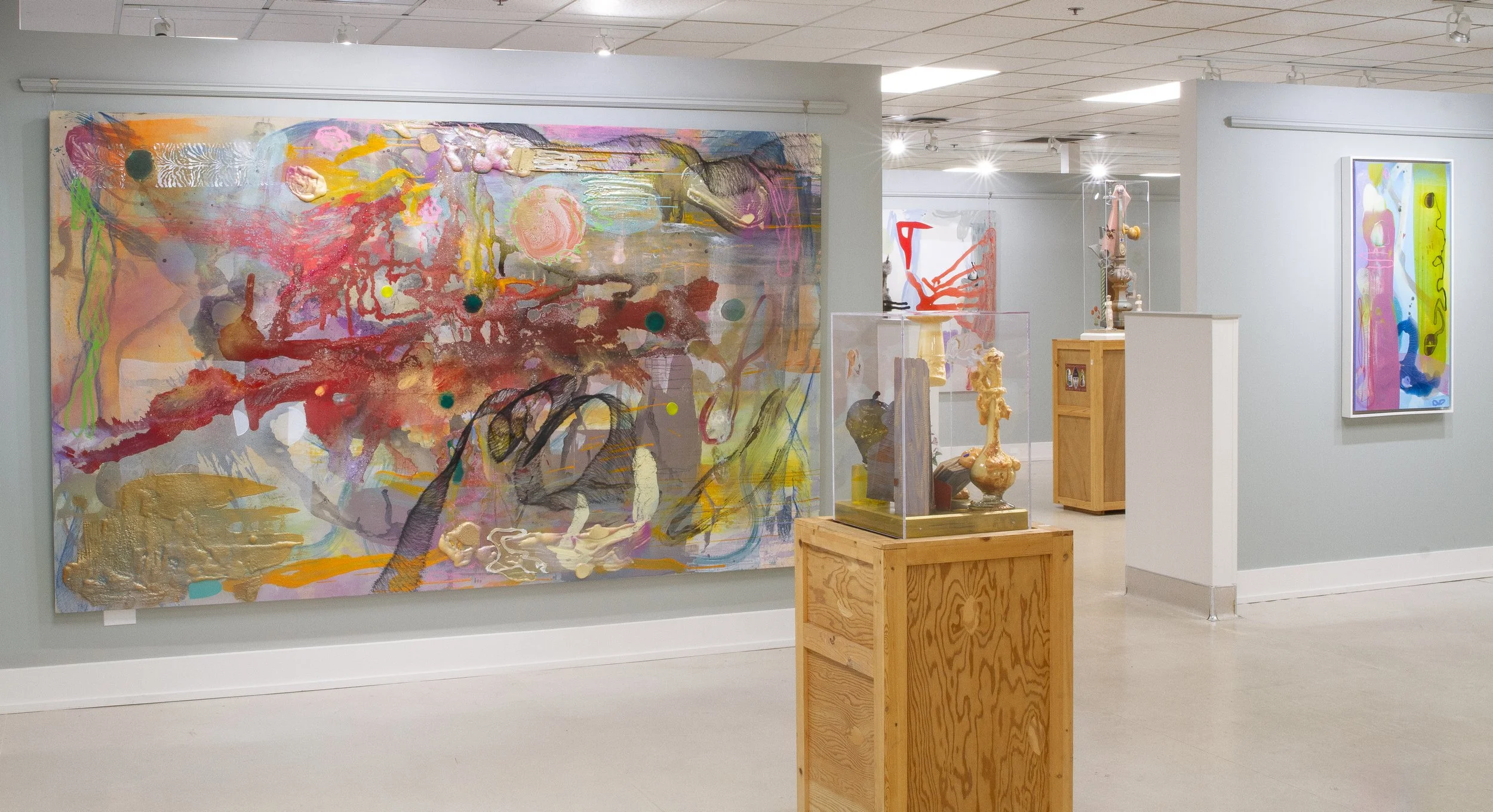
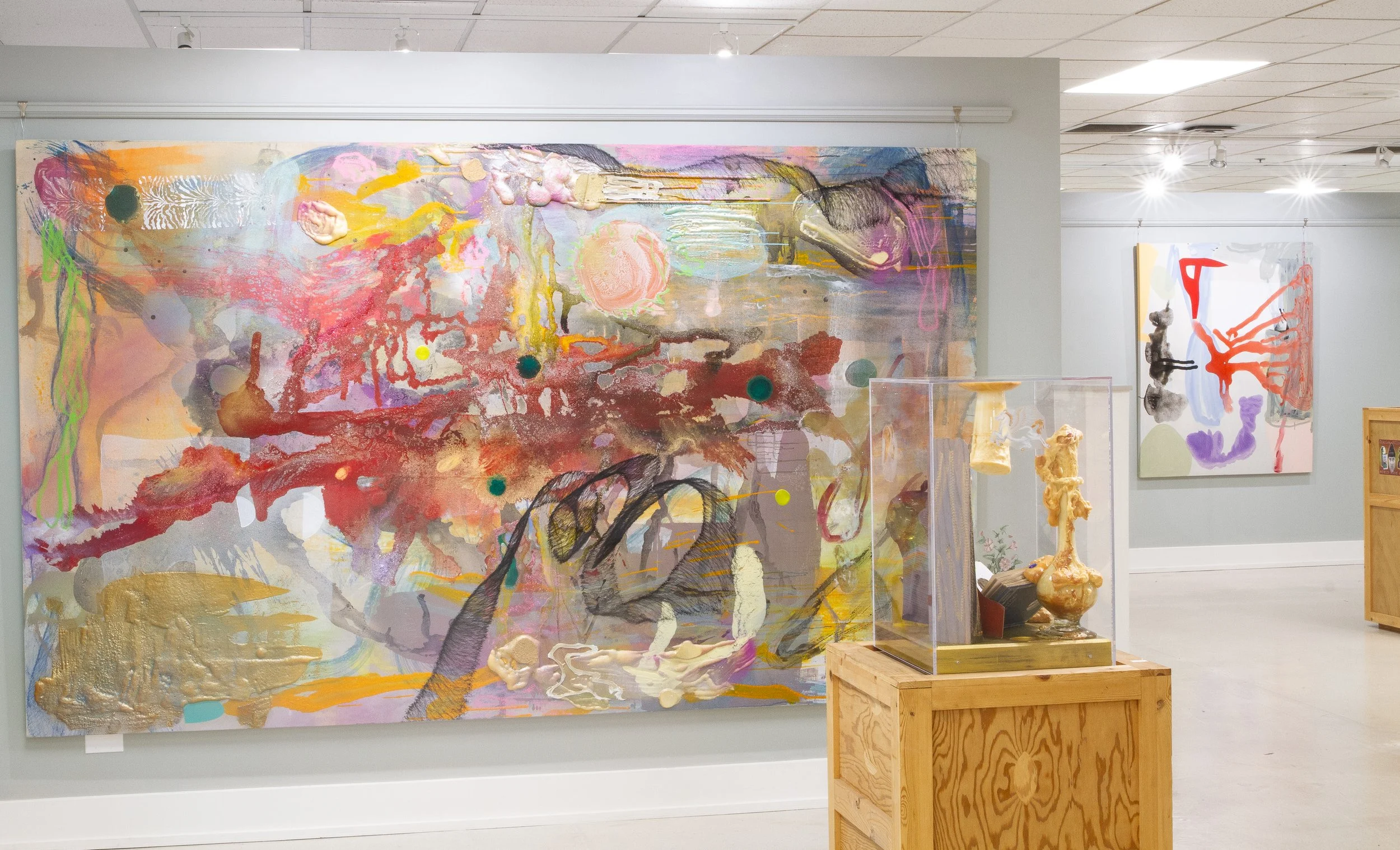
Charles Villiers stands out for his bold experimentation with an unusually wide range of materials and techniques. Rather than limiting himself to traditional painting media, he often incorporates materials more commonly associated with other industries, including synthetic polymer paint, expanding foam, resins, and digitally generated imagery. By bringing these elements into his practice, Villiers pushes the boundaries of the canvas and allows his creative impulses to unfold with remarkable freedom.

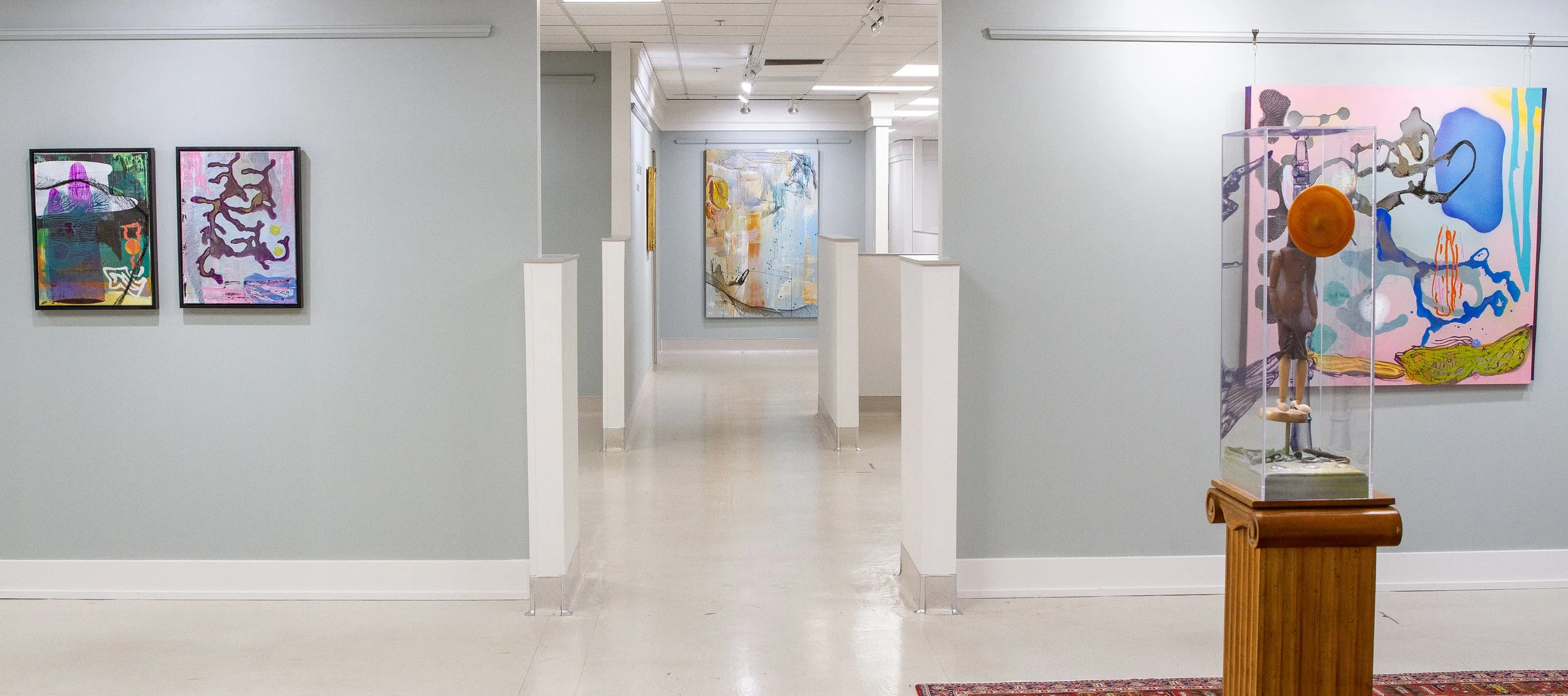
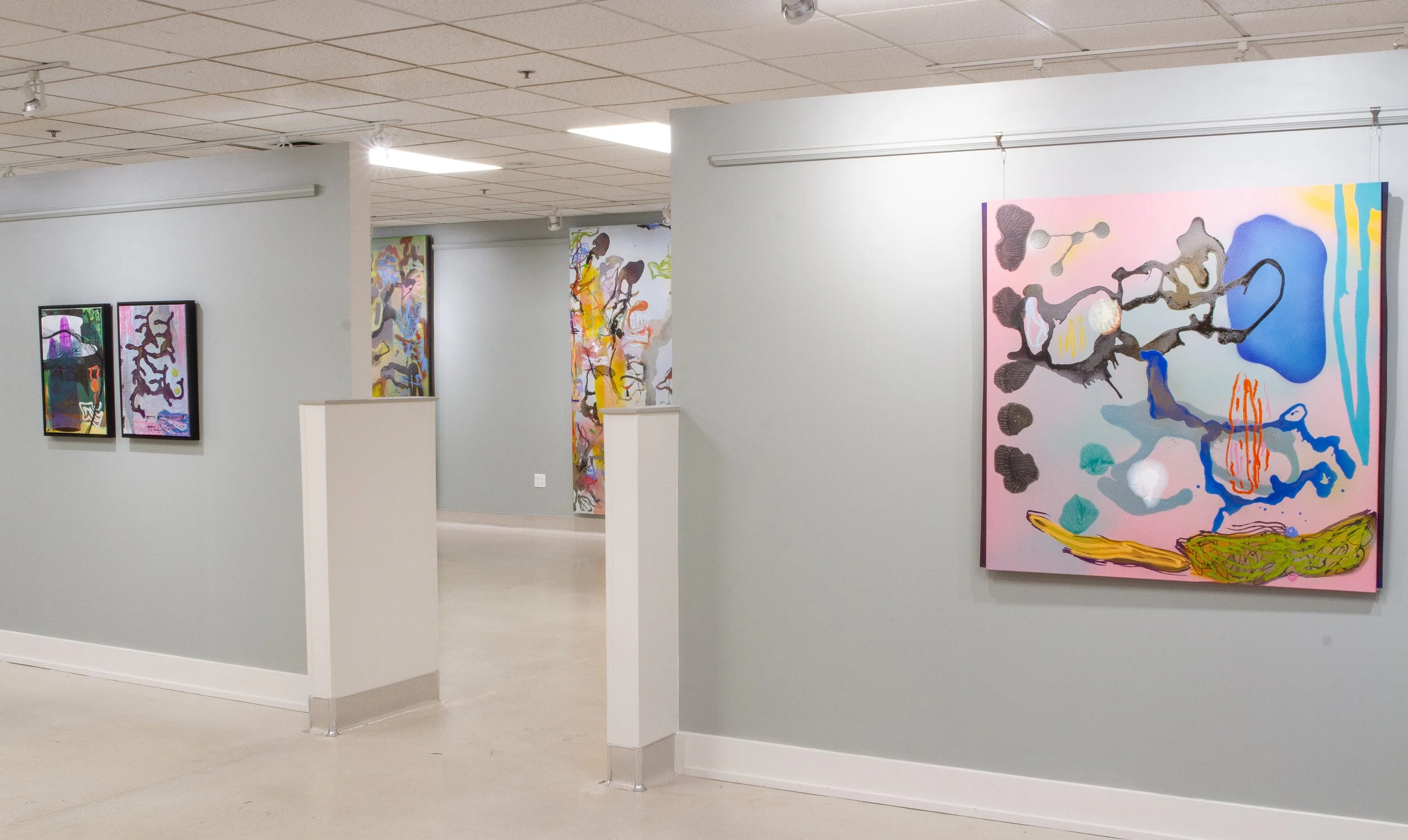
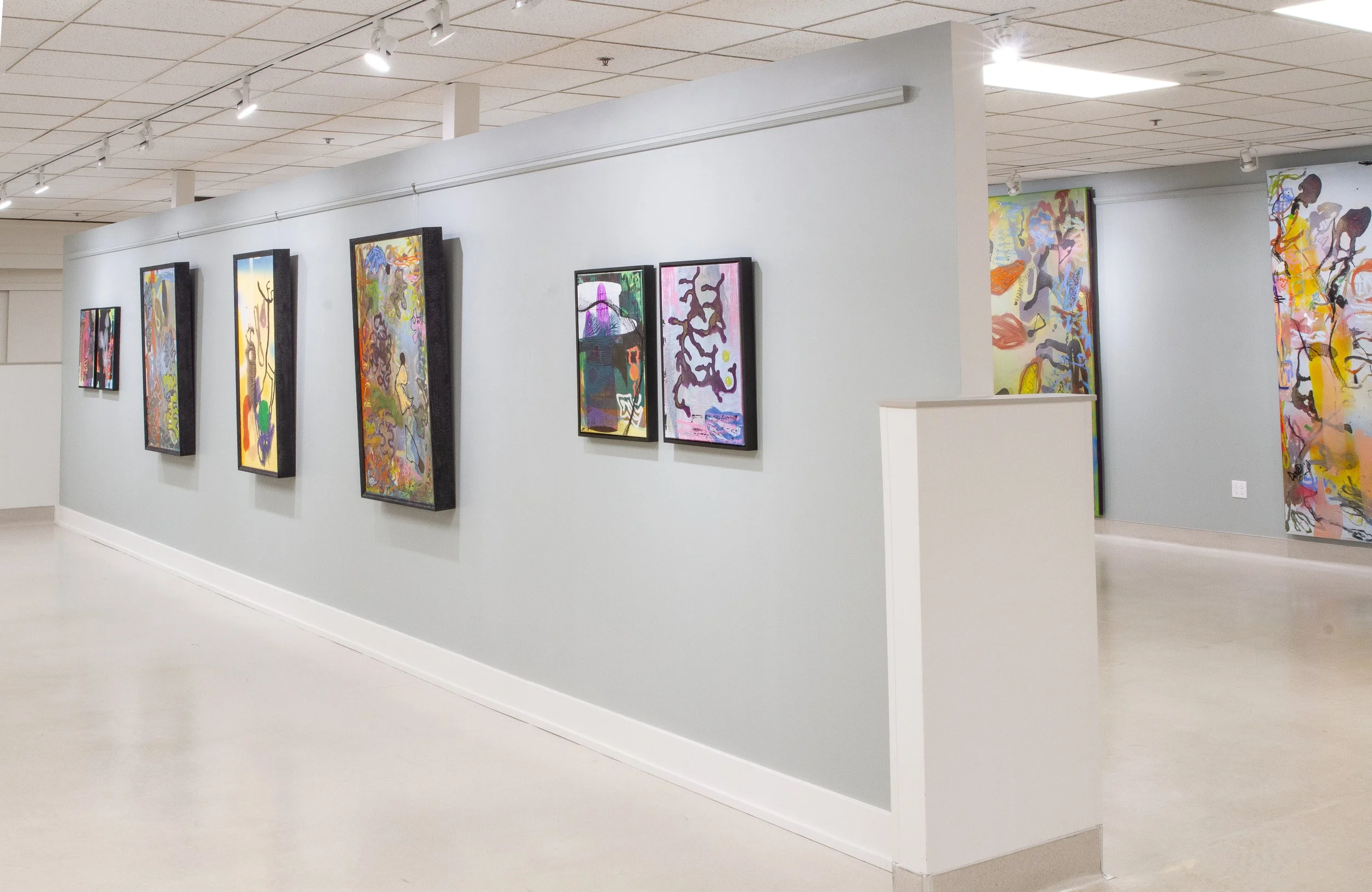
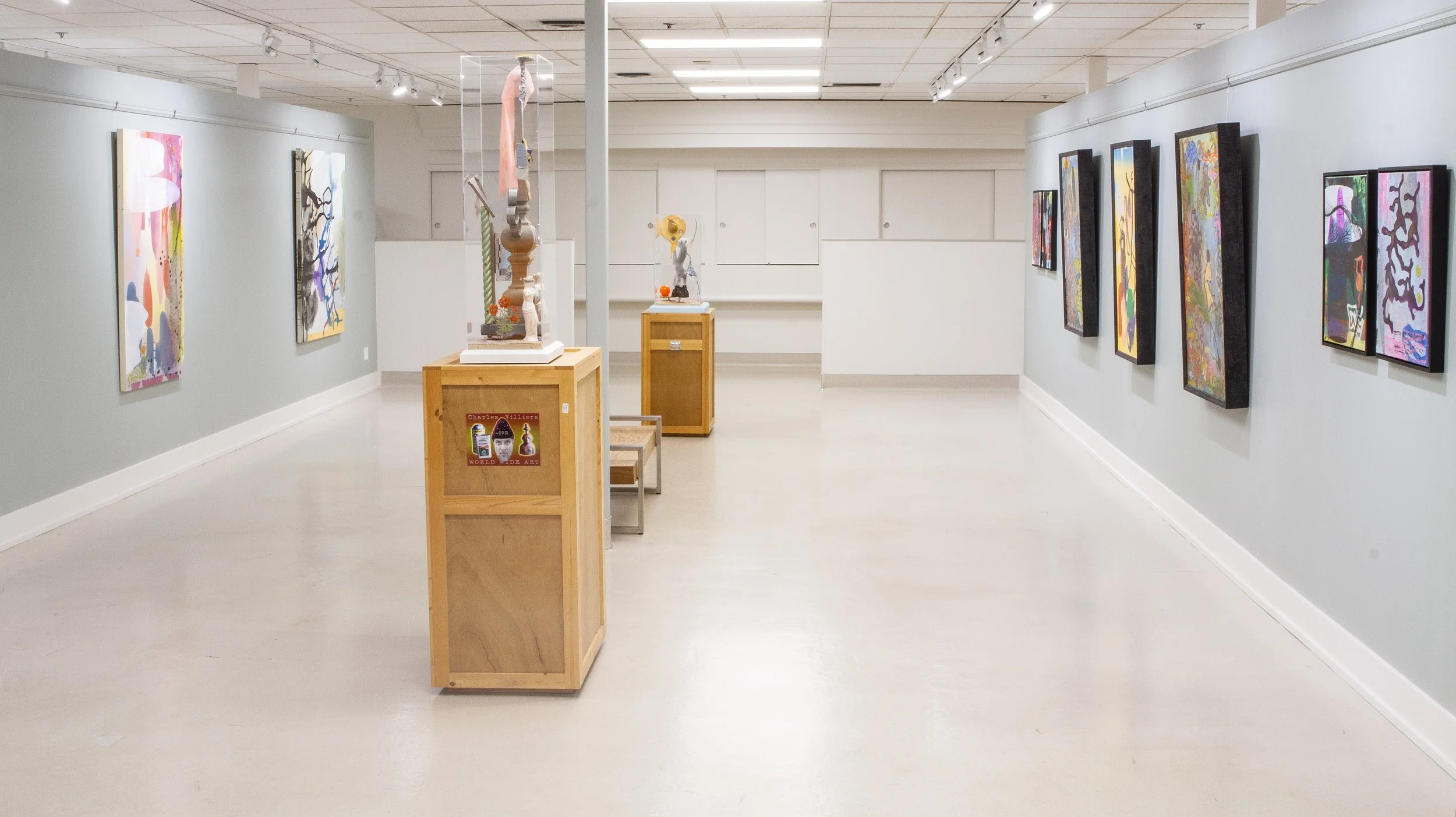
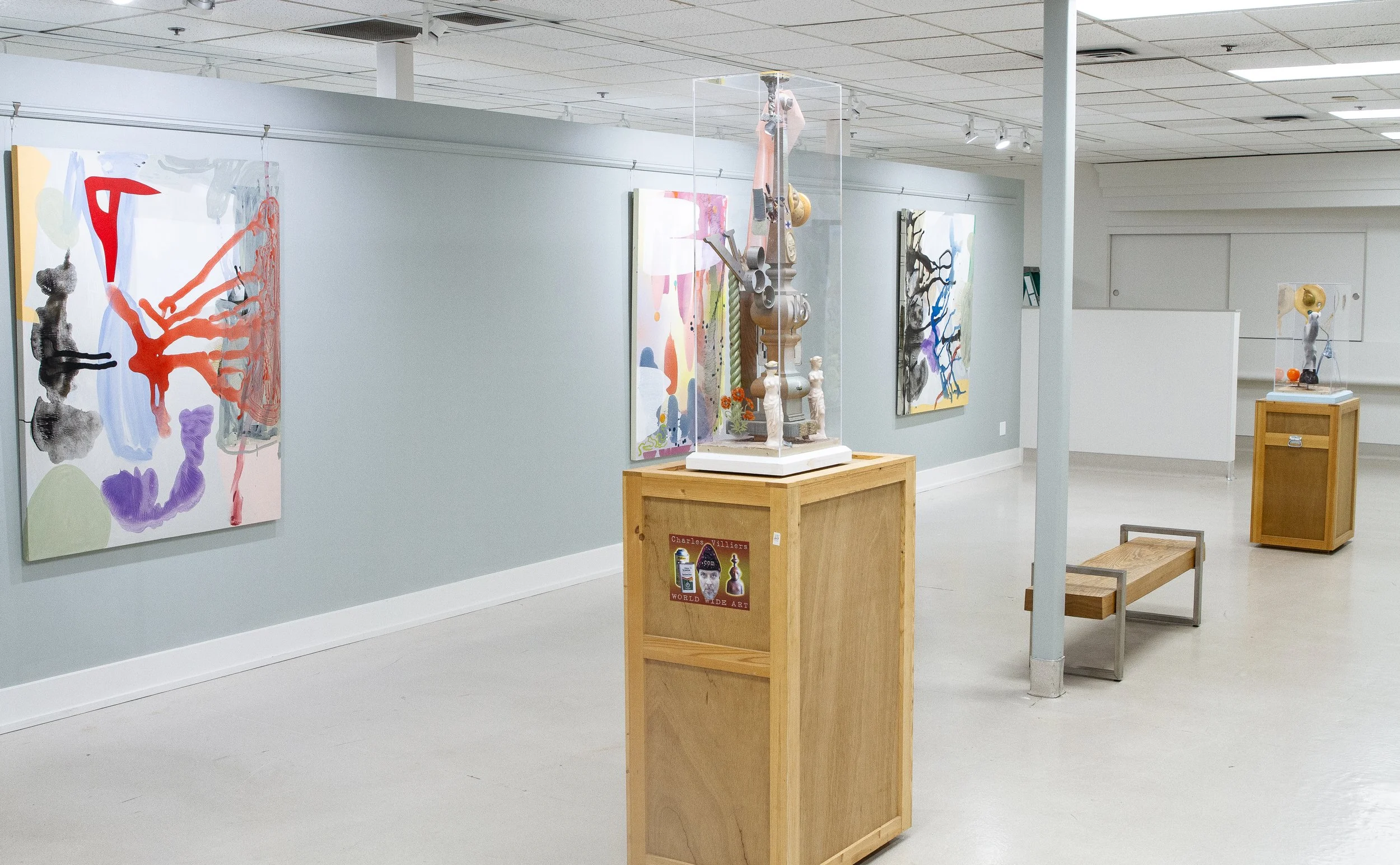
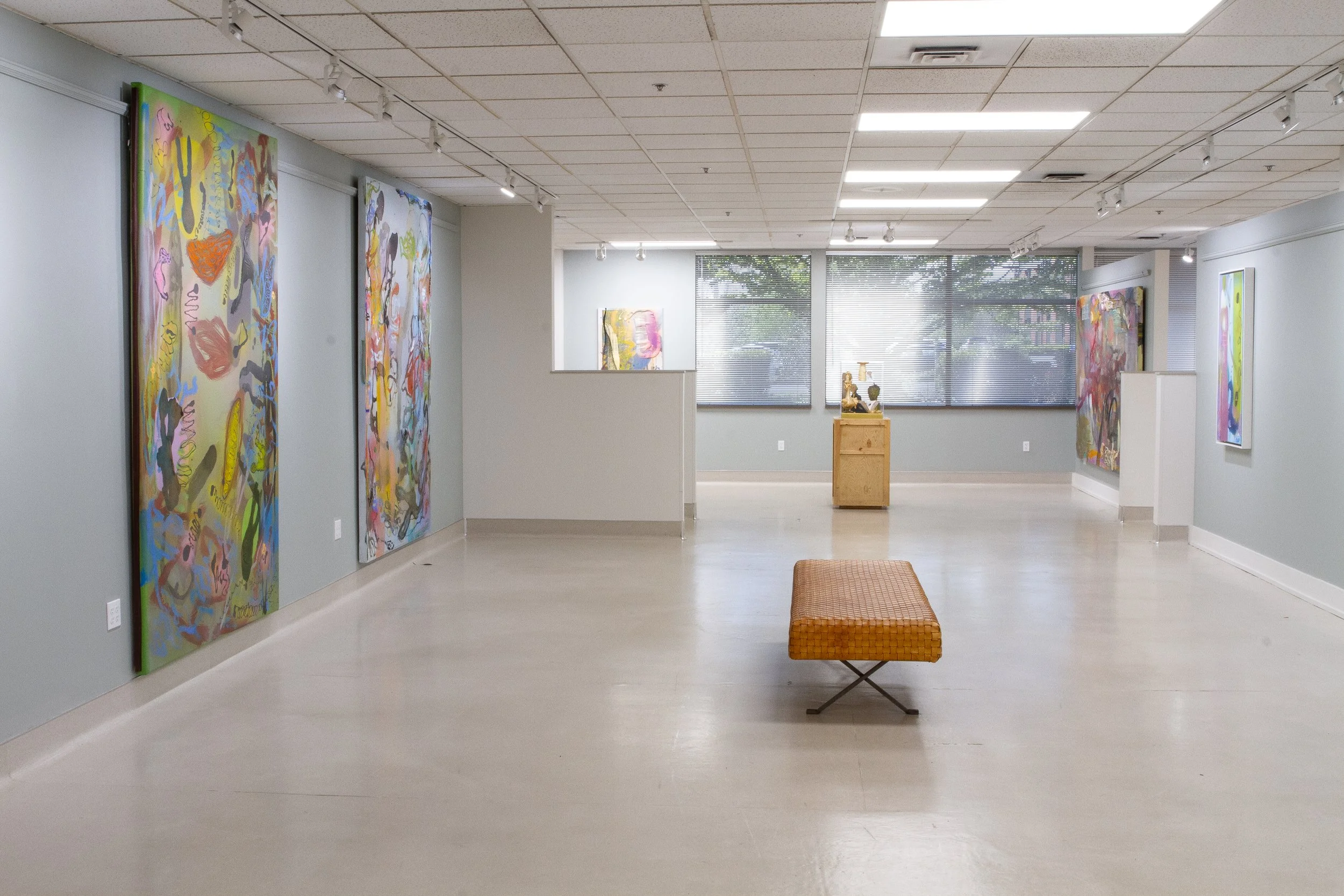
The works in this exhibition, all created between 2001 and 2025, reveal an artist deeply committed to the act of making, returning to it again and again as both discipline and personal expression. The breadth of Charles Villiers’ archive shows that his artistic practice is not a series of isolated projects, but a limitless process of exploration. Charles Villiers: Untethered marks the first comprehensive presentation of works from this period, offering visitors a rare opportunity to encounter pieces that span multiple themes and a wide range of materials and disciplines. Cordata Gallery is honored to present this overview and to celebrate Villiers’ lifelong dedication to the pursuit of art.

About the artist

Charles Villiers (b. 1951, New Jersey. Lives and works in Bellingham, WA)

Charles Villiers is a self-taught multidisciplinary artist working in painting, sculpture, photography, printmaking, fashion photography, music, and video. Active since 1970 he has exhibited extensively in the United States and Europe, sustaining a career of more than five decades across institutional, commercial, and independent venues, and even the music industry. 

Born in 1951 in New Jersey to Nita Brown and inventor Amherst Villiers, Charles Villiers received early classical artistic training from his father. He was also mentored by Sir Roland Penrose, the Surrealist artist and co-founder of the Institute of Contemporary Arts in London. who left a strong impression on him. Charles did not attend any art school but trained himself looking at many noted artists. By the early 1970s, his work was presented internationally, including installations and exhibitions in Copenhagen, Majorca, London, Paris, and eventually at the Royal Academy Summer Exhibition in London. In 1976, he participated in the inaugural American Painters in Paris exhibition in France.

Throughout the 1980s and 1990s, Villiers developed a significant presence in Los Angeles, exhibiting at Gallery West, Metro Gallery, Kirk De Gooyer Gallery, Lawrence Silver Gallery, Natoli-Ross Gallery, Diane Nelson Gallery, Future Perfect, and Shinno Gallery. His work was also included in major group exhibitions and institutional projects, including Car and Culture at the Museum of Contemporary Art, Los Angeles (1984), Tubular Art at the Laguna Beach Museum of Art, and Best of the 1980s at the Laguna Museum of Art. He continued to exhibit internationally in London, Portland, Santa Barbara, and Tokyo, and expanded his practice to digital and installation formats in the 2000s, including the Virtual Air Gallery (2001) and Downey Museum of Art (Control Drama, 2006; group exhibition, 2007). In 2011, The Secret Organics, curated by Alfred Munkenbeck, was presented in London.

Villiers’ commissioned work spans public, corporate, and private projects. Notable commissions include The Thirty-Foot Spinning Triptych for MOCA in conjunction with the Mark Taper Forum (1984), sculptural and architectural projects for Scratch Restaurant, Venice (1986), a bronze commission for The Carriage House, New York (1987), Cast from Eden bronzes (1986), The Light House painting for the Mondrian Hotel, Los Angeles (1991), Faith, fourteen large-scale sculptures in Montecito, California (1997), and Nude Woman with Crown & Goat for Spago, Hollywood (1997). Later projects include The Black Totem (2000), Unit 29 Video Projects (2003), a CD cover and booklet design for Stephen Bishop’s Saudade (2007), and a project for the Museum of Contemporary Art & Culture / New Museum in Downey (2007).
Next
Next

David Syre Mind and Method at Work | January 17 - April 2, 2026